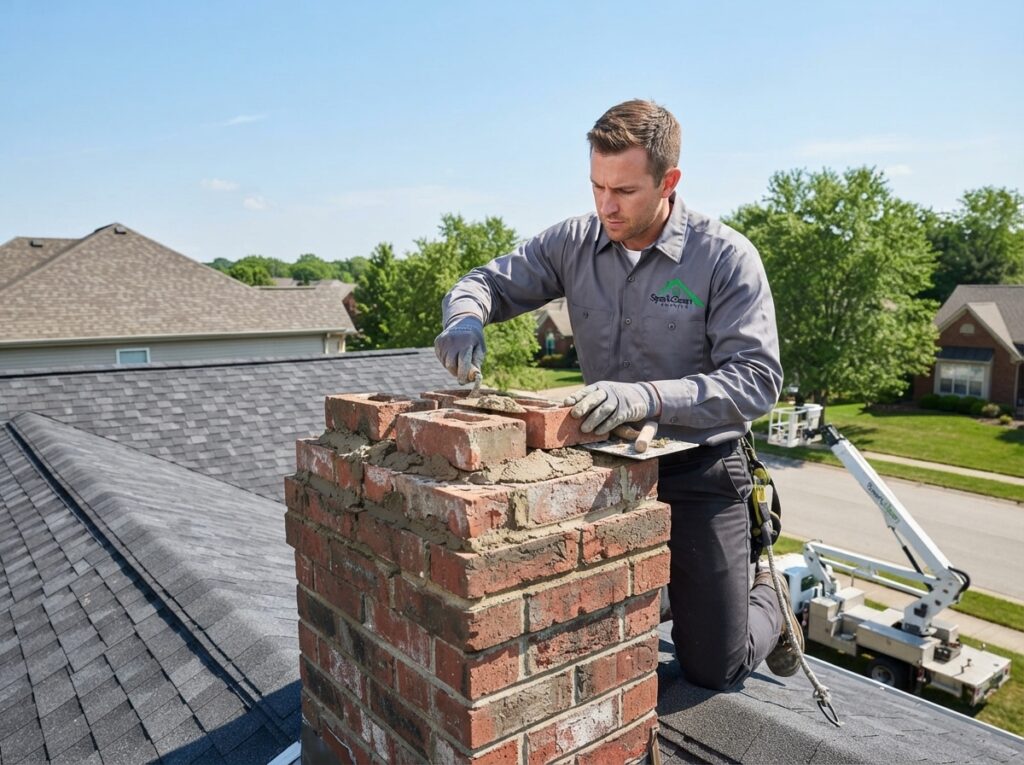
Putting your house on the market involves meticulous preparation—staging rooms, boosting curb appeal, and repairing obvious surface flaws. However, when prospective buyers schedule their professional home evaluations, hidden structural issues can quickly jeopardize a deal. Among the most common deal-breakers discovered during real estate transactions is chimney damage.
Whether it’s crumbling exterior brickwork, missing flashing, or hairline cracks hidden deep inside flue tiles, chimney defects raise immediate red flags for buyers and mortgage lenders alike.
Can you sell a house with chimney damage? Yes, but it will cost you.
Ignoring needed chimney repair before listing your home often leads to lower offer prices, failed home inspections, delayed closing dates, or demands for massive escrow credits.
How Neglected Chimney Damage Impacts Real Estate Sales
When a buyer submits an offer on your property, their purchase agreement almost always includes a home inspection contingency. During this period, certified inspectors examine major structural systems. If they spot signs of masonry decay, water leaks, or soot buildup, they will recommend a specialized Level 2 camera evaluation.
Discovered chimney damage negatively impacts your sale in three major ways:
[Unrepaired Chimney Defects] ➔ [Failed Inspection Report] ➔ [Demands for $5,000+ Repair Credits]
1. Reduced Buyer Confidence & Slashed Offers
Homebuyers want move-in-ready properties. When an inspection report highlights cracked flue tiles or crumbling bricks, buyers immediately perceive the home as poorly maintained. Fear of hidden safety hazards often leads buyers to drastically reduce their offer or request repair allowances far exceeding the actual cost of the fix.
2. Mortgage Lender & Home Insurance Denials
To approve a mortgage loan, lenders require buyers to secure home insurance. Insurance providers routinely perform exterior inspections or review buyer evaluation reports. If a chimney presents structural collapse risks, missing caps, or severe fire hazards, insurance companies may refuse coverage until repairs are made—holding up the entire loan approval process.
3. Deal Cancellation During Escrow
Nothing frustrates a seller more than a buyer walking away days before closing. If an inspection reveals dangerous interior flue damage or major structural leaning, buyers who are unwilling to navigate complex repairs during move-in will simply exercise their contingency clause and cancel the transaction.
Common Chimney Issues Discovered During Real Estate Inspections
Home evaluations routinely flag specific chimney defects that sellers should address prior to listing:
| Discovered Defect | What It Means to the Buyer | Recommended Pre-Sale Fix |
| Spalling Bricks & Mortar Decay | Water is penetrating exterior masonry; risk of structural failure. | Tuckpointing / Partial Rebuild: Restoring mortar joints and replacing broken bricks. |
| Cracked Clay Flue Tiles | Fire hazard & carbon monoxide leak risk; unsafe to burn wood. | Stainless Steel Relining: Installing a continuous insulated steel liner shaft. |
| Cracked Concrete Crown / Leaks | Active water leaks damaging interior attic framing and drywall. | Crown Sealing / Flashing Repair: Sealing concrete caps and replacing damaged roof flashing. |
| Heavy Creosote Buildup | Maintenance neglect; fire hazard during initial winter use. | Professional Chimney Sweep: Cleaning soot and creosote out of the flue path. |
3 Strategies for Selling a Home with Chimney Damage
If your home has known chimney issues, you have three primary strategic options depending on your timeline, budget, and real estate market conditions:
Option 1: Fix the Chimney Before Listing (Best Value Protection)
Hiring a certified technician to complete repairs before taking listing photos gives you a competitive edge. You receive full documentation, warranties, and clean inspection reports to present to prospective buyers. Proactive repairs protect your asking price and eliminate buyer leverage during contract negotiations.
Option 2: Offer a Seller Credit or Price Concession
If you lack the liquid capital to complete repairs before closing, you can list the home as-is while accounting for the damage in your listing price. Alternatively, you can negotiate a seller credit during escrow, agreeing to credit the buyer a specified dollar amount toward their closing costs so they can handle repairs after taking ownership.
Option 3: Complete Repairs in Escrow
If an inspector uncovers unexpected damage during the contingency period, you can agree to hire a licensed contractor to complete structural repairs prior to closing day. The repair invoice is often settled directly through escrow funds at closing.
Local SEO Guidance: Protecting Property Values Across Our Area
Regional weather heavily influences home valuation standards. In areas subject to severe seasonal freeze-thaw cycles, unsealed brickwork and concrete crowns suffer rapid moisture decay. Buyers and local real estate agents in our region are well aware of these climate stresses and actively look for evidence of routine masonry maintenance.
Whether your property features a historic brick-and-mortar hearth or a modern prefabricated fireplace chase, ensuring your system complies strictly with municipal building codes and fire safety standards is essential for a smooth transaction. Partnering with a trusted local service provider guarantees that all restoration work satisfies local buyer expectations and municipal codes.
Frequently Asked Questions About Selling Homes with Chimney Damage
Is a seller legally required to disclose chimney damage?
Yes. Real estate property disclosure laws require sellers to disclose all known material defects, including cracked flues, roof leaks, or structural masonry damage. Failing to disclose known issues can result in legal liability after the sale.
How much does a pre-sale chimney evaluation cost?
A Level 2 inspection with dual-view video camera flue scanning typically costs between $300 and $600. The modest cost is easily recovered by avoiding renegotiations during escrow.
Should I sweep my chimney before putting my house on the market?
Absolutely! Removing soot and creosote creates a clean, pleasant impression during open houses and allows inspectors to examine flue tile surfaces clearly, preventing unnecessary red flags on inspection reports.
What is the difference between a sweep and an inspection?
A chimney sweep focuses on cleaning accumulated soot, dust, and creosote out of the flue path. A chimney inspection is a diagnostic evaluation that assesses structural integrity, safety clearances, and code compliance.
Maximize Your Home’s Value—Schedule Your Repair Today!
Don’t let neglected masonry damage or hidden flue cracks jeopardize your real estate sale or slash your hard-earned home equity. Taking proactive action with expert chimney repair protects your investment, speeds up escrow, and ensures a seamless closing day.
Contact our certified team today to schedule your pre-sale evaluation and repair consultation!
Spark Clean Chimneys
📍 Address: 333 IL-83, Mundelein, IL 60060, United States
📞 Phone: +1 (847) 380-9496
🌐 Website: https://sparkcleanchimneys.com/