
Converting a traditional wood-burning hearth into a modern gas log set, direct-vent gas insert, or pellet-burning appliance is one of the most popular home upgrades across northern Illinois. The appeal is clear: effortless heat at the flip of a switch, zero wood chopping, and a clean firebox without ash or soot.
However, many homeowners make the critical mistake of installing a new gas or pellet burner into an existing masonry hearth without evaluating the hidden venting system first.
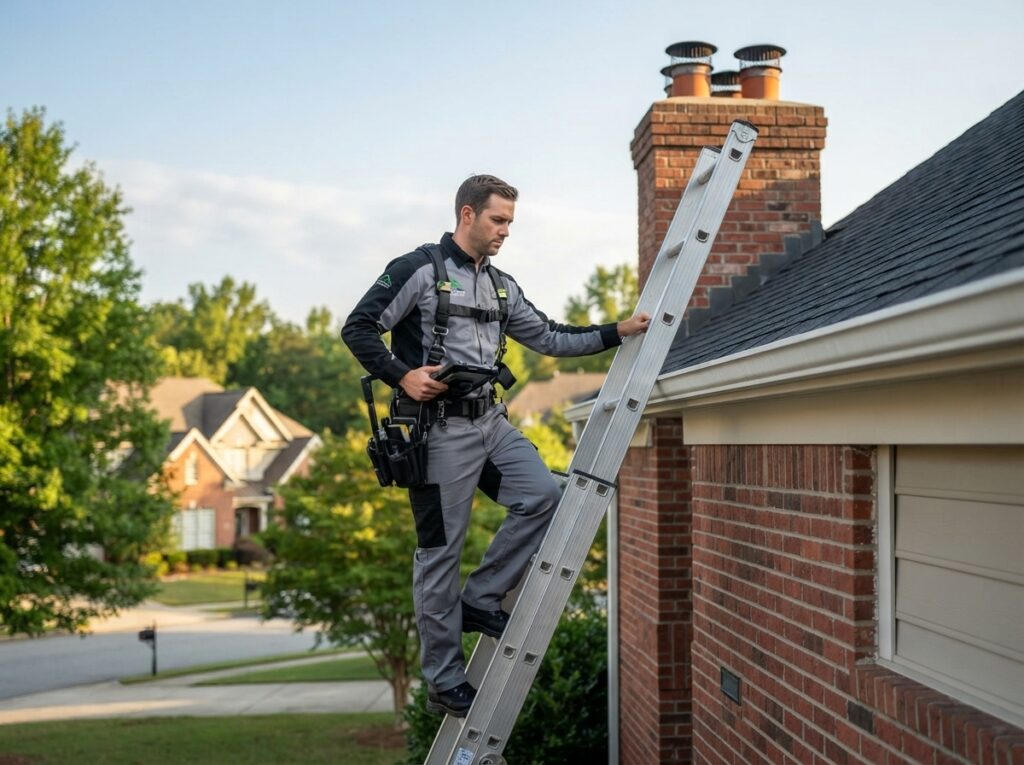
Gas and pellet combustion mechanics differ radically from wood fires. Gas exhaust contains higher levels of invisible moisture and acidic byproducts, while pellet units require precise pressure draft parameters. Scheduling a specialized diagnostic chimney inspection before converting your fuel source is the only way to ensure your flue stack is sized correctly, structurally sealed, and fully compatible with your new heating appliance.
The Hidden Science of Fuel Conversion: Why Flue Requirements Change
When you change the fuel type burning in your fireplace, you fundamentally alter the chemical composition, volume, and temperature of the exhaust gases traveling up your chimney stack.
-
Moisture and Acidic Gas Condensation: Natural gas combustion produces significant water vapor containing acidic compounds. If vented through an oversized, unlined clay tile flue, this moist exhaust cools rapidly, condensing along internal walls and destroying lime mortar joints from the inside out.
-
Flue Sizing Incompatibilities: Wood-burning fireplaces typically vent through large 8×8-inch or 12×12-inch clay tile flues. Gas inserts require much smaller, tightly sealed 3-inch or 4-inch aluminum or stainless steel flexible liners to maintain adequate upward exhaust draft.
-
Corrosive Residue Interactions: Installing a gas unit over uncleaned, residual wood creosote creates a dangerous situation. Moisture from gas exhaust reacts with old creosote, producing foul, pungent chemical odors that penetrate home drywall.
-
Carbon Monoxide Clearance Requirements: Gas fires burn cleanly without visible smoke, meaning dangerous carbon monoxide leaks caused by cracked tiles or disconnected flue joints will occur completely undetected without proper visual monitoring devices.
What a Conversion-Focused Inspection Evaluates
Before any gas log set or high-efficiency insert can be safely installed, certified technicians perform a targeted Level 2 diagnostic evaluation to confirm structural readiness:
-
Internal Liner Integrity and Material Check: Technicians deploy a 360-degree rotating HD camera to inspect existing clay tiles for cracks, missing mortar joints, or structural gaps that would allow moisture or gas leaks into house framing.
-
Clearance and Draft Calculations: The technician measures the exact height, cross-sectional area, and internal volume of your stack to determine whether a dedicated stainless steel relining system is required for the new appliance’s BTU rating.
-
Damper and Throat Clearance Assessment: For gas log installations, local building codes mandate locking the manual throat damper permanently open (using a damper clamp) to guarantee continuous ventilation for pilot lights and combustion exhaust.
-
Combustion Air and Venting Verification: Technicians confirm that your room volume provides adequate makeup air to support safe combustion without pulling toxic exhaust gases backward into your living space.
Protecting Your Investment and Appliance Warranty
Skipping a pre-conversion inspection often leads to expensive post-installation surprises. If an installer fits a new gas unit into a compromised or oversized flue, the appliance may suffer from pilot light outages, severe glass condensation, or premature heat exchanger failure.
Furthermore, appliance manufacturers and home insurance providers strictly require documented professional inspection and proper liner installation to honor equipment warranties and coverage claims. Doing it right from the start protects both your home’s structural value and your family’s safety.
Local Service Area: Lake County, IL
SparkClean Chimneys provides comprehensive conversion evaluations, diagnostic video chimney inspections, stainless steel relining installations, and code compliance certifications for homeowners across the region:
-
Primary Location: 333 IL-83, Mundelein, IL 60060
-
Service Communities: Mundelein, Libertyville, Vernon Hills, Hawthorn Woods, Long Grove, Lake Zurich, Buffalo Grove, Lincolnshire, Wauconda, Deerfield, and Round Lake.
Planning a Fireplace Fuel Upgrade in Lake County?
Don’t risk equipment failure, structural masonry corrosion, or dangerous gas leaks. Schedule a certified diagnostic video inspection with our expert team before installing your new heating appliance.
📍 Visit Our Location:
Google Maps – SparkClean Chimneys
333 IL-83, Mundelein, IL 60060, United States
📞 Call Our Local Experts Today:
+1 (847) 380-9496
🌐 Schedule Online: