
Evaluating Chimney Sweep Needs vs Chimney Repair Signs in Mundelein, Illinois
As the brisk autumn wind sweeps off Diamond Lake and the freezing winter temperatures settle over Lake County, Mundelein homeowners prepare for the cozy warmth of a wood-burning fire. However, before you strike that first match, it is essential to understand the state of your venting system. Many homeowners mistake the need for a basic chimney cleaning with the deeper, more critical requirement for professional chimney repair. Operating a fireplace with structural flaws or heavy soot buildup poses real risks, making it vital to know exactly what is happening inside your brickwork.
The Great Misconception: Cleanliness Does Not Equal Structural Integrity
It is a common scenario in the Chicago suburbs: a homeowner notices a smoky smell or poor drafting, schedules a standard sweeping, and assumes their fireplace is completely ready for the winter. While clearing away soot is vital, a clean chimney is not automatically a safe one. Sweeping addresses accumulation, while structural restoration addresses the physical stability of the masonry and venting system.
Soot Buildup vs. Material Degradation
A standard sweep focuses on removing creosote, a highly flammable byproduct of burning wood that adheres to the inner walls of your flue. While removing this substance reduces the threat of a chimney fire, it does not fix cracked clay flue tiles, rusted dampers, or crumbling mortar joints. If your flue liner has cracked due to thermal shock, sweeping will remove the soot but leave the dangerous pathways open where heat and carbon monoxide can seep into your home walls.
The Role of Water Intrusion in Mundelein Homes
Mundelein experiences intense freeze-thaw cycles. Rainwater and melting snow penetrate porous bricks and mortar joints during the day. When temperatures drop overnight, this water freezes and expands, cracking the masonry from the inside out. This physical process, known as spalling, cannot be resolved by a sweeping brush. Spalling requires targeted masonry rebuilding, tuckpointing, or water repellent applications to prevent total structure failure.
Why Professional Diagnostic Assessments Matter
Evaluating the health of your fireplace system requires looking deeper than what is visible from the hearth. Professional technicians use specialized equipment, such as closed-circuit video cameras, to inspect the entire length of the flue liner. This diagnostic step helps differentiate between a simple accumulation of debris and structural defects that require professional intervention.
Understanding the Scope of a Standard Chimney Cleaning
Regular maintenance is the foundation of fireplace safety. Knowing what a professional sweep entails helps you set realistic expectations and identify when your service technician needs to pivot from standard maintenance to structural correction.
The Removal of Creosote and Soot
Creosote forms in three distinct stages, ranging from a flaky, dusty powder to a hard, glazed tar-like substance. A professional service uses heavy-duty poly or steel brushes, specialized rods, and high-powered vacuum systems designed to capture fine particulates. Keeping these surfaces clean ensures that flue gases can rise and exit your home efficiently without encountering restrictive friction.
Clearing Obstructions and Nesting Material
During the spring and summer, local Illinois wildlife, such as chimney swifts, squirrels, and raccoons, often seek shelter inside open flues. Twigs, leaves, and nesting materials block the draft, sending toxic fumes directly back into your living room. A standard sweep includes clearing out these physical blockages to restore proper airflow.
The Standard Visual Assessment
Every professional cleaning should be accompanied by a basic visual evaluation of the readily accessible areas of your fireplace. At SparkClean Chimneys in Mundelein, this includes checking the hearth, damper operation, ash dump door, and the visible portions of the firebox. If this initial look reveals deeper structural damage, the technician will recommend a comprehensive chimney inspection to map out the necessary repairs.
Clear Signs Your Mundelein Chimney Needs Structural Repair
If you want it handled correctly the first time, consider professional comparing basic vs detailed chimney inspection reports in Mundelein, IL.
While soot accumulation happens naturally as you burn wood, structural deterioration is an abnormal condition that demands immediate attention. If you observe any of the following warning signs around your fireplace or roofline, you are likely looking at a repair scenario rather than a simple sweep.
Crumbling Mortar and Falling Brick Pieces
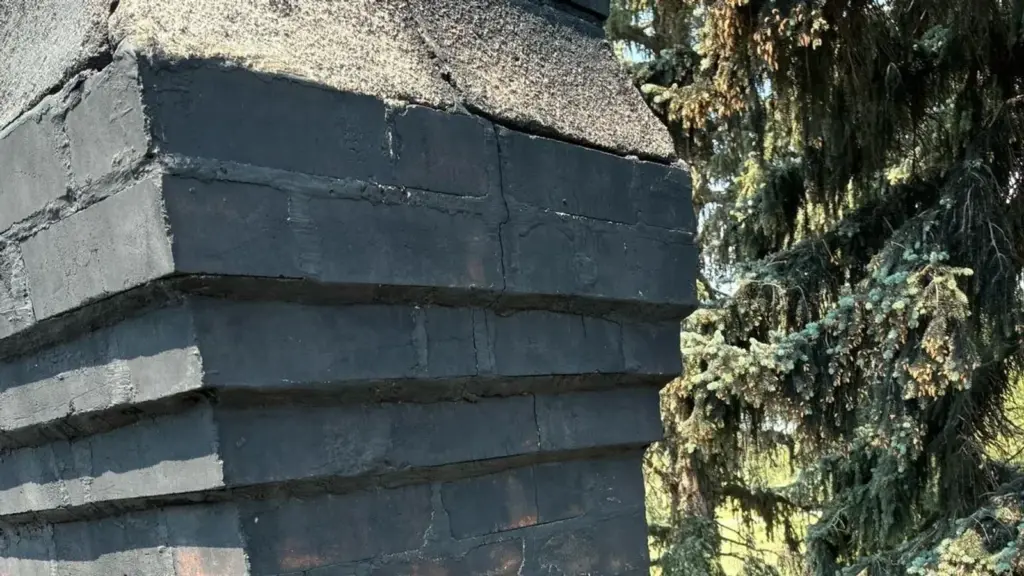
If you sweep up your hearth and find small, sandy piles of grey mortar or red brick chips inside the firebox, your masonry is deteriorating. This process, known as shaling, typically occurs when the clay flue liner begins to flake and crack. When mortar joints between exterior bricks fail, the entire structural load of the stack becomes unstable, risking partial or total collapse.
The Dreaded Cracked or Damaged Chimney Crown
The crown is the concrete slab that covers the top of your masonry stack, shedding water away from the bricks below. Because it is directly exposed to Mundelein’s harsh elements, the concrete can develop deep cracks over time. When water enters these cracks, it bypasses the exterior masonry entirely, rotting the interior framing of your home and causing mold growth in adjacent drywall.
Rust on the Damper or Firebox Components
Moisture is the primary enemy of any fireplace system. If you notice rust on your damper blade, or if the metal parts inside your firebox are starting to flake and pit, water is entering the system from the top. This usually indicates a missing or damaged rain cap, a cracked crown, or compromised flashing where the brick stack meets your roofline.
Comparing Chimney Cleaning and Chimney Repair
To help you determine which service fits your current situation, the table below highlights the key differences in symptoms, scope, and solutions.
| Operational Aspect | Standard Chimney Cleaning | Professional Chimney Repair |
|---|---|---|
| Primary Symptoms | Smoky fireplace, slow drafting, minor wood-smoke odor, soot buildup on the firebox walls. | Cracked brickwork, missing mortar, rust in the firebox, white powdery staining on exterior brick. |
| Primary Goal | Remove combustible creosote deposits, ash, soot, and animal debris to optimize airflow. | Restore structural stability, prevent water entry, and seal pathways where gas can escape. |
| Common Scope of Work | Brushing the flue liner, vacuuming out the smoke shelf, clearing the firebox, clean-up. | Tuckpointing, flue relining, rebuilding crowns, installing new chase covers or flashing. |
| Typical Timing | Recommended annually for active fireplaces, or after every cord of wood burned. | Performed as needed based on physical wear, storm damage, or diagnostic inspection findings. |
How Local Lake County Weather Impacts Your Masonry
Mundelein’s climate plays a significant role in how quickly masonry systems degrade compared to homes in milder climates. Understanding these local factors can help you spot issues before they escalate into expensive structural projects.
The Freeze-Thaw Cycle of Illinois Winters
During a typical Illinois winter, temperatures frequently bounce above and below the freezing mark. This cycle behaves like a slow-motion jackhammer inside your masonry joints. Water enters the micro-cracks in the mortar, freezes and expands, and then melts, leaving behind a larger gap for the next cycle. Over several seasons, this dynamic turns solid mortar joints into soft sand, necessitating timely chimney repair to save the stack.
High Humidity and Summer Rain Storms
Heavy summer downpours put your chimney flashing and crown to the ultimate test. If the flashing around your roofline is loose or has degraded sealant, rainwater will run down the outside of the brick stack and leak directly into your attic or ceiling. Checking these components before the autumn burning season begins is crucial for keeping your home dry and structurally sound.
Many Mundelein, IL homeowners rely on expert comparing basic vs detailed chimney inspection reports in Mundelein, IL for exactly this.
Drafting Challenges Caused by Atmospheric Pressure
Being near Diamond Lake and other local bodies of water can affect local humidity levels and wind patterns. These environmental factors sometimes cause temporary drafting issues. A certified technician can help determine if a smoky room is caused by simple soot restriction, a low-height stack, or a broken internal damper that cannot open fully.
What to Expect During a Professional Chimney Diagnostic
When you call a specialist to evaluate your fireplace, they should follow a detailed, structured process to assess both cleanliness and structural condition. Knowing what happens during this visit ensures you receive a thorough and honest evaluation.
- External Visual Inspection: The technician examines the exterior brickwork, mortar joints, flashing, crown, and rain cap from the roof level to look for signs of weathering, physical damage, or water penetration.
- Interior Fireplace Check: Back inside the living area, the technician inspects the hearth, firebox, lintel, damper plate, and throat to verify that all components operate smoothly and safely.
- Camera Flue Scan: A specialized chimney video camera is lowered or pushed through the length of the flue. This allows the technician to spot cracks in clay tiles, separated joints, or hidden creosote deposits that are invisible from the bottom.
- Written Findings and Recommendations: You should receive a detailed report outlining the cleanliness of the flue and noting any structural defects that require repair before the fireplace is used again.
Frequently Asked Questions About Chimney Care in Mundelein
How often should I have my chimney swept in Mundelein?
You should schedule a professional sweeping and safety inspection at least once a year. Even if you do not use your fireplace frequently, nesting animals, debris, and moisture can still cause hidden damage over the spring and summer months.
Can I perform a chimney cleaning myself?
While some homeowners attempt to brush their flues, professional chimney cleaning requires specialized vacuums, brushes, and video diagnostic equipment. DIY sweeping often leaves heavy creosote deposits untouched and misses serious internal structural hazards like cracked flue liners.
What is tuckpointing, and when is it necessary?
Tuckpointing is the process of scraping out deteriorated mortar joints from your exterior brickwork and replacing them with fresh, color-matched mortar. It is necessary when mortar is crumbling, powdery, or missing, helping to restore the structural strength and water resistance of your chimney stack.
Why does my fireplace smell bad when I am not using it?
Smoky or musty odors during warm, humid weather are typically caused by creosote deposits inside the flue drawing in damp air. A thorough sweeping can help reduce these odors, though a missing chimney cap or water leak can also contribute to musty smells from mold growth.
Ensuring a Warm and Safe Home This Season
Do not wait until the temperature plummets to find out if your fireplace is safe to operate. Taking a proactive approach to maintenance keeps your home warm, protects your family from venting hazards, and saves you from costly emergencies down the road. Whether your flue simply needs a seasonal sweeping or your masonry requires expert structural attention, the team at SparkClean Chimneys is ready to help. Contact us today to schedule your chimney inspection and enjoy peace of mind throughout the cold months ahead.