
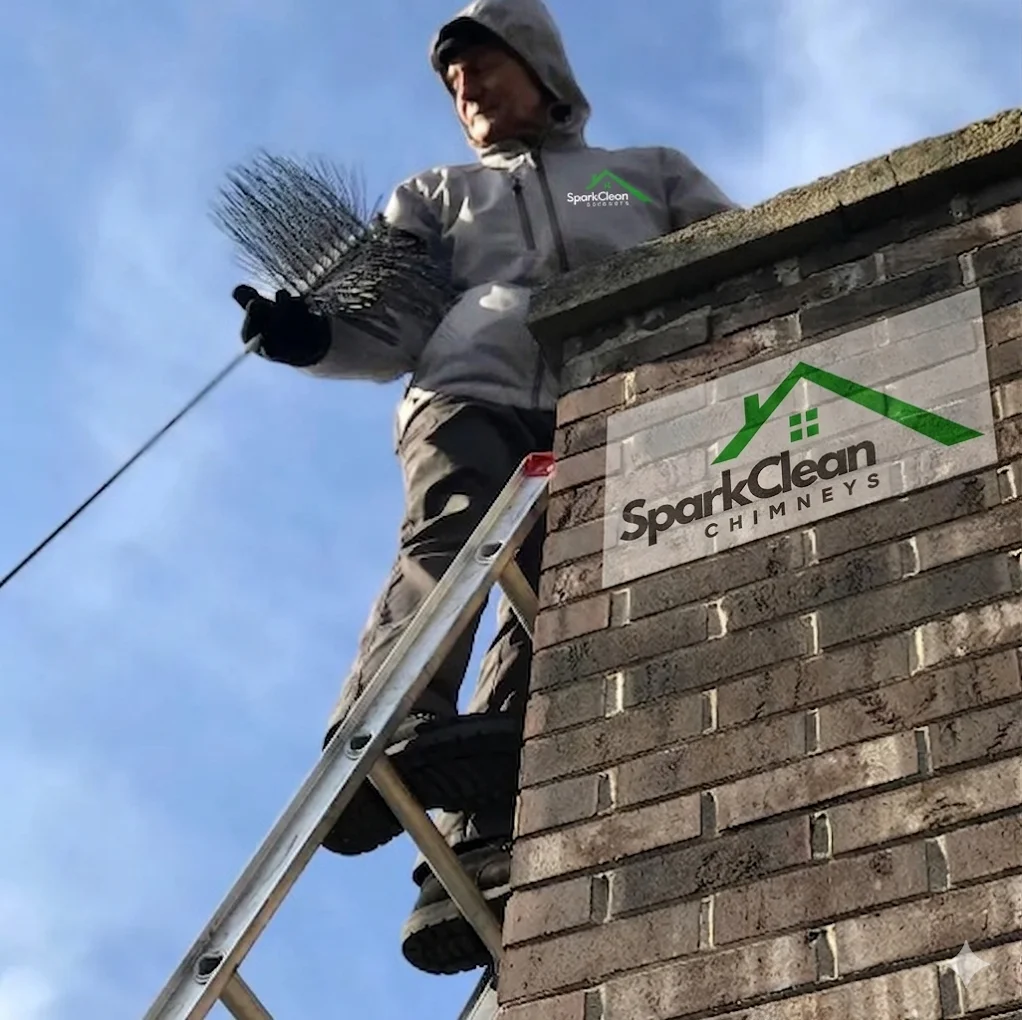
A quiet evening at home in Mundelein, Illinois, can change in an instant when a chimney fire ignites. Many homeowners do not even realize a fire has occurred inside their flue until hours or days later. The intense heat generated during these events can cause severe, hidden damage to your venting system. Addressing the aftermath requires immediate action, starting with a comprehensive assessment by a professional chimney contractor to determine the exact scope of chimney cleaning and restoration needed to make your fireplace safe again.
The Real Danger of a Quiet Flue Ignition
Many people associate chimney fires with dramatic, roaring noises and explosive shooting sparks. While those warning signs do occur, a significant percentage of flue fires burn slowly and quietly, starved of oxygen deep within the masonry. You might only notice a strange, metallic smell, a heavy buildup of dark soot on your hearth, or a slight cracking sound coming from behind the living room wall.
Why Unseen Fires Are Particularly Hazardous
A slow-burning fire can reach temperatures exceeding 2,000 degrees Fahrenheit inside your chimney flue. Because the event is contained within the walls, the immediate danger to your living space might seem minimal. However, this extreme thermal shock targets the weakest points of your venting system, melting metal components and cracking masonry joints. When a subsequent fire is lit, the structural safeguards are gone, allowing heat and carbon monoxide to escape directly into your home framework.
The Role of Creosote as Fuel
Creosote is a highly flammable byproduct of wood combustion that condenses on the cool interior walls of your flue. It transitions through three distinct stages, starting as a flaky, dusty soot and progressing to a thick, tar-like glaze. This third-stage glazed creosote is the primary fuel source for venting fires. Once it ignites, it burns with intense heat and is incredibly difficult to extinguish without professional equipment. Regular chimney cleaning is the most effective way to remove this fuel source before it can ignite.
Signs Your Flue Experienced a Sudden Thermal Event
If you suspect your fireplace experienced an active burn inside the flue, look for specific physical indicators around your property. Common signs include warped metal damper plates, cracked or fragmented clay flue tiles lying on the hearth, discolored or distorted chimney caps, and large flakes of puffy, carbonized creosote scattered on your roof or lawn. If you observe any of these conditions, keep the fireplace completely out of use until a professional inspection is completed.
Why Standard Sweeping is Not Enough Post-Fire
An active flue fire fundamentally alters the physical structure of creosote and the underlying masonry. A standard, routine sweep designed for seasonal maintenance cannot safely address the complex damage left behind by a high-temperature thermal event. Specialist tools and diagnostic techniques are required to restore the system to a functional state.
The Physical Transformation of Creosote
When creosote burns, it expands and bubbles, turning into a lightweight, highly porous, yet structurally resilient carbon crust. This expanded material often restricts the flue passage, choking the draft of your fireplace. Simply running a standard wire brush down the flue will not dislodge this baked-on material. It requires specialized chemical treatments or mechanical rotary loop systems operated by an experienced chimney sweep mundelein to safely break the bond between the carbonized crust and the flue walls.
Identifying Hidden Structural Vulnerabilities
The intense thermal expansion during a fire causes clay flue tiles to crack, split, and occasionally collapse. If these gaps go unnoticed, subsequent fires will direct extreme heat, sparks, and toxic gases toward the combustible wooden framing of your Mundelein home. A standard sweep brush cannot detect these structural gaps. Specialized closed-circuit camera systems must be lowered into the flue to inspect every joint and tile face from the inside out.
Assessing the Exterior Masonry and Chimney Crown
The damage from a flue fire is rarely confined to the interior of the pipe. The rapid heat transfer can cause the exterior brickwork to crack, mortar joints to degrade, and the concrete chimney crown at the top of the structure to split. Water intrusion quickly follows these structural failures, compounding the damage during the freeze-thaw cycles common to Northern Illinois winters. A qualified chimney contractor must evaluate the entire structure, from the basement cleanout doors to the uppermost chimney cap.
The Multi-Step Recovery Process After a Chimney Fire
Restoring safety after a chimney fire follows a strict, logical progression. Skipping any of these steps can compromise the safety of your household and lead to expensive repairs down the road.
| Phase | Key Actions Performed | Primary Purpose |
|---|---|---|
| 1. Initial Evaluation | Visual assessment and closed-circuit camera inspection of the flue lining. | Identify structural failures, cracked tiles, and the location of remaining creosote. |
| 2. Deep Carbon Removal | Mechanical rotary sweeping and targeted chemical applications. | Remove highly flammable carbonized deposits and restore proper draft diameter. |
| 3. Diagnostic Testing | Draft testing and smoke testing to verify containment integrity. | Confirm that toxic combustion gases cannot leak into the living spaces of the home. |
| 4. Structural Mitigation | Flue relining, tuckpointing, masonry repair, or crown rebuilding. | Rebuild physical barriers to isolate heat and fire from combustible building materials. |
Step 1: Complete System Shutdown and Stabilization
The moment you suspect a chimney fire has occurred, discontinue all use of the fireplace or wood stove immediately. Close the damper if it is safe to do so, and do not clear away any ash or fallen debris from the hearth, as these materials contain valuable clues that help professionals assess how the fire behaved. Keep the appliance cold until a licensed technician arrives on-site.
Step 2: Diagnostic Camera Inspections
The primary diagnostic tool used after a fire is a high-resolution, specialized chimney camera system. This camera is lowered slowly through the entire length of the flue, sending a live feed to a monitor. This allows the technician to spot hairline cracks in clay liners, separated joints in metal factory-built chimneys, and pockets of unburned creosote that present an immediate risk of reignition. This visual record is also highly valuable for documenting damage for insurance claims.
Step 3: Advanced Cleansing and Descaling
Once the damage is mapped, the technician will deploy advanced cleaning methods. For heavy, baked-on glazed creosote that has survived a fire, mechanical descaling tools or chemical neutralizing agents are often required. This process strips the interior walls down to the original masonry or metal, ensuring that no hidden pockets of combustible material remain to feed a future fire.
When Structural Restoration and Repair Are Required
If the evaluation reveals cracked flue liners or damaged masonry, simple cleaning is no longer enough to ensure safety. Operating a fireplace with a compromised liner is an extreme hazard that can lead to structural house fires or silent carbon monoxide poisoning.
The Importance of Flue Relining
Clay tile liners are highly susceptible to cracking under thermal shock. When a tile splits, it must be addressed before the fireplace can be used again. The most common and reliable solution is installing a high-grade stainless steel chimney liner. This liner acts as a continuous, jointless conduit that safely carries all combustion byproducts out of the home, protecting the surrounding masonry and wood framing from heat transfer.
Tuckpointing and Masonry Repair
The mortar joints holding your chimney bricks together can crumble when exposed to intense heat. When mortar degrades, the physical stability of the chimney column is compromised. A professional chimney sweep mundelein can perform tuckpointing, which involves carefully scraping out the damaged, heat-weakened mortar and packing the joints with fresh, specialized mortar designed to withstand high temperatures and harsh Midwestern weather conditions.
Addressing Damaged Metal Chimney Systems
If your Mundelein home utilizes a prefabricated metal chimney system, a fire can warp the double-wall or triple-wall pipe, destroying the air gaps or insulation blankets designed to keep the outer pipe cool. Unlike masonry chimneys, which can often be relined, warped or buckled factory-built metal chimney pipes generally must be replaced completely to ensure safe operation. A certified chimney repair mundelein specialist can identify the exact specifications required to safely replace these proprietary components.
Preventing Future Incidents in Your Mundelein Home
Once your venting system has been professionally swept, inspected, and repaired, taking active preventative measures will help ensure you never have to experience the stress of a chimney fire again.
Burn Only Seasoned, Dry Hardwoods
The primary cause of rapid creosote accumulation is burning wet, unseasoned wood. Green wood contains a massive amount of moisture, which cools the firebox and prevents complete combustion. This results in heavy, unburned smoke that condenses rapidly as creosote inside your flue. Always burn hardwood that has been split and seasoned for at least six to twelve months, maintaining a moisture content below 20 percent.
Adopt Safe Burning Practices
Avoid burning trash, cardboard, wrapping paper, or evergreen boughs in your fireplace. These materials burn extremely hot and fast, launching large, burning paper embers up the flue where they can easily ignite existing creosote deposits. Keep your fires burning hot and clean rather than letting them smolder for hours, as low-temperature fires produce significantly more soot and creosote.
Schedule Regular Professional Inspections
Do not wait for a performance issue or a scary event to call a professional. Establish a routine of annual inspections and sweeps with SparkClean Chimneys in Mundelein. Regular maintenance keeps creosote accumulation to a minimum, identifies minor wear and tear before it escalates into an expensive repair, and provides peace of mind every time you strike a match to light a fire on a cold winter evening.
Frequently Asked Questions
How can I tell if I had a chimney fire without realizing it?
Look for telltale signs such as cracked, broken pieces of clay flue liner on your hearth, warped or discolored metal components (like the damper or chimney cap), large flakes of black, puffy creosote on your roof, or a strong, persistent smoky odor inside your home even when the fireplace is not in use.
Can I clean a chimney myself after a fire?
No. A chimney fire causes structural damage and leaves behind hardened, carbonized creosote deposits that cannot be removed with DIY equipment. Professional diagnostic cameras and heavy-duty mechanical descaling tools are required to ensure the system is truly clean and structurally intact before it can be used safely again.
Will my homeowner’s insurance cover repairs after a chimney fire?
In many cases, sudden and accidental chimney fires are covered under standard homeowner insurance policies. However, most insurance adjusters will require a detailed, professional camera inspection report from a qualified contractor to verify that a fire occurred and to document the resulting internal structural damage before approving a claim.
How often should I have my chimney cleaned to prevent a fire?
The National Fire Protection Association recommends having your venting systems, fireplaces, and chimneys inspected at least once a year. Sweeping should be performed whenever there is an accumulation of 1/8 inch or more of creosote deposit inside the flue to prevent dangerous ignitions.
Conclusion
Suffering a chimney fire is a serious event, but taking prompt, professional action can restore your fireplace to peak safety and performance. Do not risk your family’s safety by lighting another fire before having your venting system thoroughly evaluated. Contact SparkClean Chimneys in Mundelein, Illinois, to schedule your chimney cleaning and safety inspection today to ensure your home remains safe, warm, and secure all season long.