
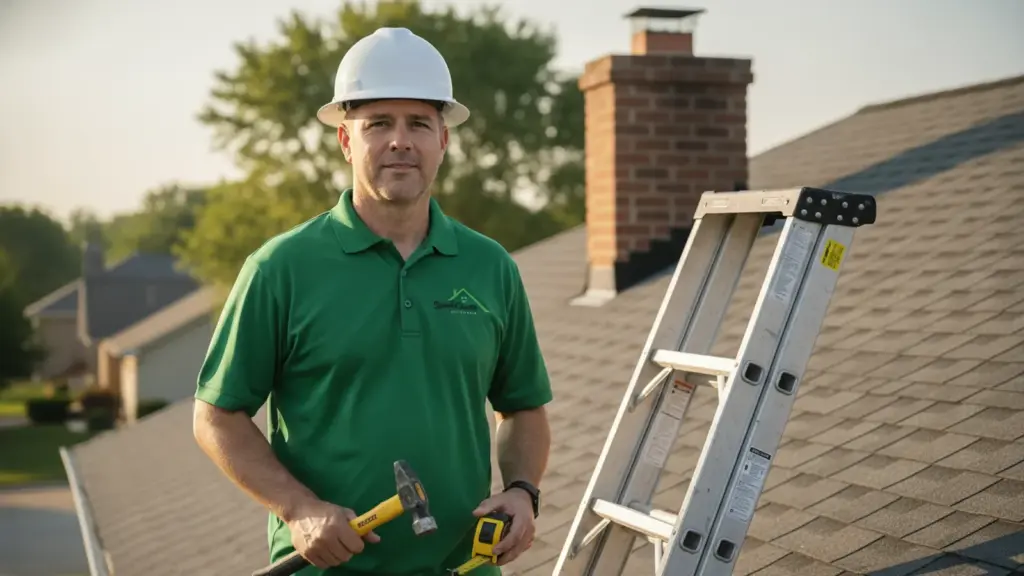
Hiring someone to work on your chimney is not like hiring a handyman to patch drywall. The stakes are higher: a poorly cleaned or improperly repaired chimney can lead to carbon monoxide buildup, chimney fires, or structural water damage that spreads into your home’s framing. Mundelein homeowners deserve a clear, practical guide for separating qualified professionals from those who simply own a ladder and a brush. That is exactly what this post delivers.
Why Credentials Matter More Than a Low Quote
It is tempting to go with whoever responds fastest or quotes the lowest number. But chimney work involves confined-space access, combustion science, and masonry knowledge that takes years to develop. A contractor who skips proper credentialing is also likely to skip proper technique.
The CSIA Certification Standard
The Chimney Safety Institute of America (CSIA) is the most widely recognized credentialing body in the industry. A CSIA-Certified Chimney Sweep has passed a written examination covering fire prevention, chimney system components, and applicable codes. Certification is not permanent either; sweeps must earn continuing education credits to maintain it. When you ask a contractor for proof of CSIA certification, a legitimate professional will hand it over without hesitation. If they hedge or claim it is unnecessary, that is a meaningful red flag.
NFI Credentials for Appliance and Liner Work
If your project involves a fireplace insert, gas appliance, or relining the flue, look for a National Fireplace Institute (NFI) credential in addition to basic sweep certification. NFI-certified specialists have demonstrated knowledge of venting requirements, fuel-specific combustion characteristics, and appliance installation standards. Not every chimney sweep needs NFI credentials, but anyone recommending a liner system or appliance upgrade should hold one.
Local Licensing in Lake County
Illinois does not issue a single statewide chimney contractor license, which surprises many homeowners. Instead, licensing requirements vary by municipality and county. In the Mundelein area, work that involves structural masonry repair or new construction may require a contractor to hold a general contractor or masonry license through Lake County or the Village of Mundelein. Always ask whether the scope of your project requires a permit and whether the contractor will pull it. A professional who pulls permits is one who is willing to have their work inspected.
Insurance: The Verification Step Most Homeowners Skip
Credentials confirm knowledge. Insurance confirms accountability. These are two separate things, and you need both.
General Liability Coverage
A chimney sweep working at height on your roof, or inside a tight firebox with specialized equipment, carries real risk of accidental property damage. General liability insurance protects your home if something goes wrong during the job. Ask for a certificate of insurance, not just a verbal confirmation. The certificate should name the contractor’s business and show an active policy period that covers your service date. If a contractor cannot produce one, you absorb all the financial risk of any accidental damage.
Workers’ Compensation
Workers’ compensation coverage protects you if a technician is injured on your property. Without it, an injured worker could potentially pursue a claim against your homeowner’s insurance. This is not a theoretical risk. Chimney work involves roof access, heavy equipment, and confined spaces. Verify that any crew working at your Mundelein home carries current workers’ comp coverage, especially if more than one technician is on site.
How to Read a Certificate of Insurance
A certificate of insurance (COI) is a one-page summary document. Look for the policy effective and expiration dates, the coverage limits listed under general liability and workers’ compensation sections, and the name of the insured business. If the business name on the COI does not match the name on the truck or the invoice, ask why. Mismatches sometimes indicate a subcontracting arrangement where the person actually doing your work is not covered under the policy you reviewed.
Safety Standards You Should Expect on Every Visit
A credentialed, insured contractor still needs to follow safe work practices on the day of service. Knowing what professional chimney cleaning and inspection looks like helps you recognize when corners are being cut.
Drop Cloths, HEPA Vacuums, and Containment
Professional chimney cleaning generates creosote flakes, soot, and debris. A qualified sweep will protect your hearth and surrounding flooring with drop cloths before opening the firebox. They will use a high-efficiency (HEPA-rated) vacuum system connected to the firebox opening to maintain negative pressure, so debris does not migrate into your living space. If a technician arrives with only a brush and a shop vac, the containment is likely inadequate.
Camera Inspection as a Standard Practice
Cleaning a chimney without inspecting the flue interior is like changing the oil without checking the dipstick. A professional will use a video camera system to inspect the flue liner, smoke chamber, and firebox for cracks, spalling mortar, blockages, or creosote buildup beyond what brushing alone addresses. This is not an upsell; it is how a responsible contractor confirms the system is safe to use after cleaning. SparkClean Chimneys includes a thorough chimney inspection as part of a complete service visit so nothing gets missed.
Proper Roof Safety Protocols
Any contractor accessing your rooftop should use appropriate fall protection. This includes non-slip footwear, roof brackets or harnesses on steep pitches, and secured ladders. Ask upfront how the crew plans to access the chimney cap and whether they carry fall protection equipment. A professional crew does not improvise this part of the job.
Red Flags That Should Stop You Before You Sign
Sometimes the clearest signal is not what a contractor offers, but what they do not offer or what they pressure you to decide quickly.
Vague or Verbal-Only Estimates
A reputable chimney sweep will provide a written estimate that itemizes the scope of work: cleaning, inspection level (NFPA 211 defines Level 1, Level 2, and Level 3 inspections), any identified repairs, and materials involved. A verbal quote with no documentation makes it difficult to hold anyone accountable if the final invoice looks different. Insist on written documentation before work begins.
Pressure to Approve Immediate Repairs
Inspections sometimes do reveal legitimate issues, such as a cracked flue tile, deteriorated mortar joints, or a damaged chimney crown. A professional contractor will document findings with photos and explain options without demanding that you approve repairs the same day. High-pressure tactics around repair decisions are a sign that the priority is the sale, not your safety.
No Physical Address or Verifiable Business History
Search the contractor’s business name. Do they have a verifiable address, an active business listing, and reviews that span more than a few months? A contractor who operates without a traceable physical presence is harder to reach if a problem surfaces after the job is done. SparkClean Chimneys serves the Mundelein community with a verifiable local presence and a track record homeowners can research before picking up the phone.
What a Professional Chimney Cleaning Actually Involves
If you want it handled correctly the first time, consider professional how detailed chimney inspection reports enhance home safety in Mundelein, IL.
Understanding the process helps you evaluate whether a contractor is doing the job thoroughly or cutting it short.
The Sequence of a Complete Cleaning
- Pre-inspection review: The technician reviews the appliance type, fuel used, and any previous service records before touching anything.
- Containment setup: Drop cloths are placed, and the vacuum system is connected to the firebox opening.
- Brush cleaning: Rotary or hand brushes are worked through the flue from the top down or bottom up, dislodging creosote and debris from the flue liner walls.
- Smoke chamber and firebox cleaning: The smoke shelf, smoke chamber, and firebox are cleaned of accumulated debris.
- Video inspection: A camera is passed through the flue to document the condition of the liner, damper, smoke chamber, and crown.
- Findings report: The technician walks you through any issues observed, with photos, and provides a written summary.
If a contractor completes the job in under 30 minutes without a camera inspection, the cleaning was almost certainly incomplete. A thorough visit typically takes one to two hours depending on system size and condition.
Creosote Stages and Why They Matter
Creosote accumulates in three stages. Stage one is a loose, flaky deposit that brushes away easily. Stage two is a harder, tar-like coating that requires more aggressive brushing or rotary tools. Stage three is a glazed, dense accumulation that standard brushing cannot remove and that carries the highest fire risk. A qualified sweep will identify which stage of buildup is present and recommend the appropriate cleaning method. If a contractor does not mention creosote stages or cannot explain the difference, their assessment of your system’s safety is incomplete.
NFPA 211 Inspection Levels Explained
The National Fire Protection Association standard NFPA 211 defines three inspection levels that apply to chimney systems. Level 1 is a visual inspection of accessible portions of the system, appropriate for systems that have been used normally with no changes. Level 2 is required when there has been a change in the appliance, fuel type, or after any event such as a chimney fire or severe storm. It includes video scanning of the flue interior. Level 3 involves removing portions of the structure to access concealed areas and is reserved for suspected serious damage. Knowing which level applies to your situation helps you understand what a contractor should be doing during a visit.
Comparison: What Separates a Qualified Sweep from an Unqualified One
| Evaluation Point | Qualified Professional | Unqualified Contractor |
|---|---|---|
| Certification | CSIA or NFI credential, verifiable online | No certification or unverifiable claims |
| Insurance | Provides COI with current dates on request | Verbal assurance only or no coverage |
| Written estimate | Itemized scope, materials, and inspection level | Verbal quote, no documentation |
| Containment | Drop cloths and HEPA vacuum system | Shop vac or no containment |
| Camera inspection | Standard part of every cleaning visit | Skipped or offered only as a paid add-on |
| Findings report | Written summary with photos | Verbal description at best |
| Permit awareness | Knows when permits are required and pulls them | Unaware or avoids permit process |
Questions to Ask Before You Book
Calling a chimney sweep does not have to feel like an interrogation, but a few direct questions will tell you a great deal about who you are dealing with.
The Short List of Pre-Booking Questions
- Can you provide your CSIA certification number so I can verify it?
- Will you send me a certificate of insurance before the appointment?
- Does your cleaning service include a video inspection of the flue?
- Will I receive a written report of findings after the visit?
- Does this project require a permit, and will you pull it?
- How long has your business operated in the Mundelein area?
A contractor who answers these questions directly and without frustration is one who has nothing to hide. Hesitation or deflection on any of them is worth noting.
Checking References and Online Reviews
Ask for references from customers in the Mundelein or Lake County area who had similar work done. Beyond references, read online reviews with attention to specifics: do reviewers mention the technician explaining findings, using protective equipment, or following up after the visit? Generic five-star reviews without detail are less informative than a handful of specific, descriptive ones.
Frequently Asked Questions
How often should a chimney in Mundelein be cleaned?
The NFPA recommends annual inspection for all chimneys, fireplaces, and venting systems. Cleaning frequency depends on how often you use the fireplace and what fuel you burn. Wood-burning systems used regularly through a Mundelein winter typically need cleaning at least once per year, often in late summer or early fall before the heating season begins.
Is CSIA certification required by law in Illinois?
No state law in Illinois mandates CSIA certification for chimney sweeps. However, certification demonstrates that a technician has passed a standardized examination covering safety and industry standards. Many homeowner insurance policies and real estate transactions increasingly expect documented professional service, making certified sweeps the more defensible choice.
What is the difference between a chimney sweep and a chimney contractor?
A chimney sweep primarily handles cleaning and inspection. A chimney contractor typically covers a broader scope including masonry repair, relining, crown replacement, and waterproofing. Many businesses, including SparkClean Chimneys, offer both cleaning and repair services so homeowners in Mundelein do not need to coordinate between separate providers.
Can I clean my chimney myself?
Basic fireplace maintenance, like clearing the area around the hearth or replacing a damper handle, is within most homeowners’ reach. Flue cleaning, however, requires specialized brushes, proper containment equipment, and the ability to safely access the rooftop. Without a camera system, a DIY cleaning also cannot confirm whether the liner is intact. For the cleaning and inspection itself, a licensed professional is the appropriate choice.
What should I do if I suspect a chimney fire has occurred?
Stop using the fireplace immediately. A chimney fire can damage the flue liner in ways that are invisible from the firebox opening. Schedule a Level 2 inspection before lighting another fire. A qualified sweep will use a camera to assess liner integrity and identify any damage that needs repair before the system is safe to use again.
How do I know if a repair recommendation is legitimate?
Ask for photos from the camera inspection that show the specific defect. A professional contractor will document cracks, spalling, or deteriorated mortar with clear images and explain why the condition poses a risk. If a contractor cannot show you visual evidence of a problem they say requires immediate repair, get a second opinion before authorizing work.
Conclusion
Choosing the right chimney professional in Mundelein comes down to three things: verified credentials, documented insurance, and a transparent service process that includes written estimates and camera-documented findings. Shortcuts in any of those areas increase your risk, not just financially, but in terms of fire safety and carbon monoxide exposure for your household. When you are ready to work with a chimney sweep who meets every standard covered in this guide, schedule your chimney cleaning with SparkClean Chimneys and get the thorough, documented service your fireplace system deserves.