
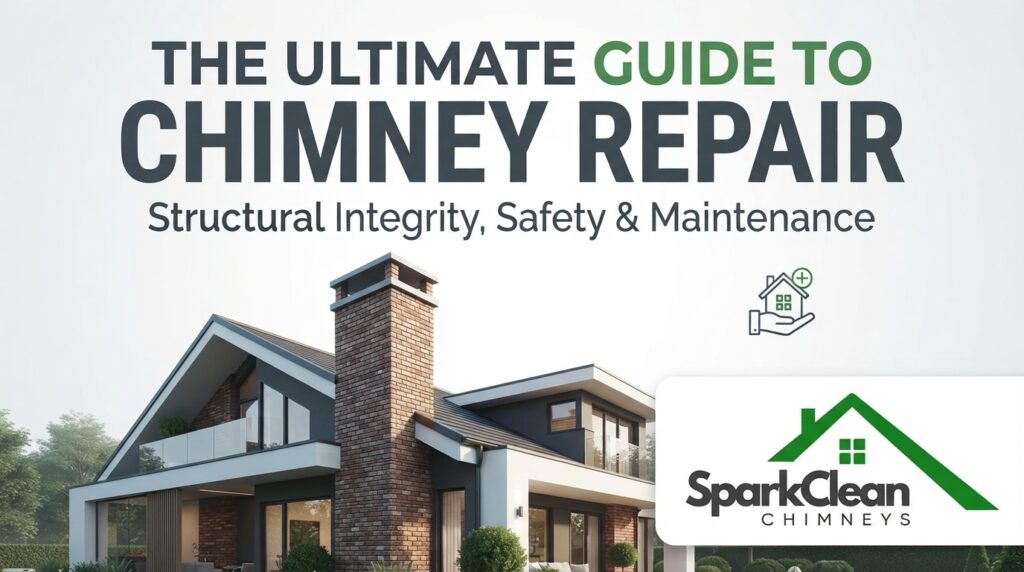
The Vital Role of Chimney Maintenance
A masonry or prefabricated chimney is one of the most hardworking structural components of any residential building. Tasked with channeling toxic gases, high-heat combustion byproducts, extreme thermal energy, and smoke safely out of your living space, a chimney operates under constant stress. Over time, relentless exposure to freeze-thaw cycles, driving rain, flue gas acidity, and natural settling inevitably leads to physical degradation.
When structural components fail, home safety is compromised. Defective brickwork, cracked flue tiles, or deteriorated chimney crowns create severe hazards, including structural collapse, destructive house fires, and carbon monoxide poisoning. Timely and professional chimney repair is not merely a cosmetic improvement—it is a critical safety measure that protects your household, preserves property value, and ensures long-term operational efficiency.
Recognizing the Critical Warning Signs of Chimney Damage
Because much of a chimney system is elevated above the roofline or enclosed within walls, early warning signs of degradation are frequently overlooked until major structural failure occurs. Homeowners should conduct regular visual checks and schedule annual inspections to detect these clear indicators of damage:
1. Crumbling Mortar Joints (Efflorescence and Spalling)
Mortar acts as the structural glue holding brick and stone chimneys together. Exposure to moisture and thermal expansion breaks down mortar over time. If you notice sandy debris on the roof, white powdery stains (efflorescence) on exterior brickwork, or physical gaps between bricks, the structural integrity of your chimney is rapidly eroding.
2. Spalling Bricks and Flaking Masonry
Spalling occurs when water enters porous bricks, freezes during winter, expands, and causes the brick faces to crack, pop off, or crumble. Once a brick’s hard exterior surface is lost, internal moisture absorption accelerates, leading to widespread masonry disintegration.
3. Cracks in the Chimney Crown
The chimney crown is the concrete slab covering the top of the masonry stack. It acts as the primary umbrella shielding internal brickwork from rain and snow. Hairline cracks expand rapidly under winter freeze-thaw conditions, allowing water to cascade straight down inside the masonry walls.
4. Damaged or Broken Flue Tiles
Clay tile liners line the interior chimney shaft. If you discover pieces of red terracotta tile in your firebox during routine cleaning, your flue liner is actively breaking down. A cracked flue liner allows intense heat and lethal gases to penetrate combustible wood framing inside your home’s walls.
5. Interior Moisture Stains and Peeling Paint
Water marks on ceilings or walls surrounding the fireplace, bubbling paint, or damp drywall are classic symptoms of chimney flashing failure or top-cover leaks. Unaddressed leaks foster mold growth and rot structural roof framing.
⚠️ Critical Safety Alert: Carbon Monoxide Hazards
A damaged flue or obstructed chimney can allow odorless, colorless carbon monoxide gas to backup into living quarters. Always maintain working CO detectors on every level of your home and schedule immediate professional repairs if liner cracking is suspected.
Common Chimney Repair Services & Solutions
Addressing chimney failure requires targeted engineering solutions suited to specific failure modes. Professional chimney technicians utilize specialized materials and techniques to restore strength and weatherproofing:
| Repair Category | Primary Cause | Professional Solution |
| Tuckpointing & Repointing | Weathered, washed-out mortar joints | Raking out deteriorated mortar and packing specialized hydraulic mortar into joints. |
| Crown Restoration | Cracked, eroded concrete cap | Applying flexible elastomeric crown sealants or pouring a new steel-reinforced concrete crown. |
| Flue Relining | Cracked clay tiles, fire damage | Installing UL-listed stainless steel flexible flue liners surrounded by insulating ceramic blankets. |
| Flashing Repair | Corrosion, poor seal at roofline | Installing custom step and counter-flashing with high-grade polyurethane sealant. |
| Chase Cover Replacement | Rusted galvanized metal top | Replacing rusted tops with custom-fabricated stainless steel or copper chase covers. |
Tuckpointing and Masonry Restoration
When mortar joints decay while the underlying brick remains intact, tuckpointing (or repointing) provides an ideal repair strategy. Technicians carefully grind away damaged mortar to a uniform depth, clean the joint channel, and pack in fresh mortar matched to the strength and color of the existing structure. Properly executed tuckpointing prevents moisture penetration and extends chimney life by decades.
Chimney Crown Repair and Waterproofing
For minor crown damage, flexible elastomeric crown coatings coat surface cracks with a waterproof membrane. However, severely deteriorated crowns require full removal and replacement. A properly engineered replacement crown features a minimum thickness of three inches, reinforced wire mesh, and an overhang design with a drip edge to direct water away from exterior brickwork.
Flue Relining with Stainless Steel
Replacing damaged terracotta flue tiles requires extensive structural teardowns. Modern repair technology replaces deteriorated tile systems by sliding heavy-gauge, flexible stainless steel liners directly down the flue shaft. Insulated with poured insulation or wrapped blanket barriers, stainless steel liners improve draft efficiency, resist acidic condensation, and provide lifetime fire protection.
Chimney Flashing and Leak Resolution
The joint where a chimney intersects the roofline is highly vulnerable to leakage. Professional repairs involve installing a two-part flashing system comprising L-shaped step flashing interwoven with roof shingles, capped by counter-flashing embedded directly into mortar joints. High-performance sealants ensure a long-lasting, watertight barrier.
Understanding Chimney Repair Costs
The financial investment required for chimney repair depends heavily on the extent of damage, access difficulty, height, and chosen materials. Early intervention consistently saves thousands of dollars compared to major structural rebuilds:
-
Minor Repairs ($150 – $600): Minor crown sealing, flashing recaulking, cap replacement, or minor tuckpointing.
-
Moderate Repairs ($600 – $2,500): Complete tuckpointing of large stacks, flue relining, flashing replacement, or localized brick rebuilds.
-
Major Restoration ($2,500 – $7,500+): Full chimney teardowns and rebuilds above the roofline, foundation structural stabilization, or complex multi-flue relining projects.
Preventative Maintenance: Protecting Your Investment
Proactive care prevents costly emergency repairs and preserves masonry health. Follow these proactive guidelines to extend the service life of your chimney:
-
Schedule Annual Professional Inspections: The National Fire Protection Association (NFPA) recommends annual chimney inspections (Level 1 or Level 2) to identify early micro-cracks and flue blockages.
-
Apply Vapor-Permeable Water Repellent: Treating exterior masonry with breathable, silane/siloxane-based water repellents prevents liquid penetration while allowing internal moisture vapor to escape harmlessly.
-
Install a Quality Chimney Cap: A stainless steel chimney cap fitted with spark arrestor mesh stops rain, animal nesting, and windblown debris from entering the chimney system.
-
Burn Seasoned Hardwood: Burning wet, unseasoned wood creates heavy creosote accumulation and high-moisture exhaust gases that corrode liners and mortar joints rapidly.
Schedule Professional Chimney Inspection & Repair
Don’t wait for minor hairline cracks to escalate into structural hazards or costly interior water leaks. Trust certified chimney technicians to restore your hearth’s safety and structural integrity.
📍 Address: 333 IL-83, Mundelein, IL 60060, United States
🌐 Website: https://sparkcleanchimneys.com/