
A crackling fire brings unmatched ambiance to a home during chilly winter evenings. However, your fireplace relies on a complex, unseen exhaust flue to vent intense heat, smoke, and toxic combustion gases safely outdoors.
Because the interior lining of a chimney is hidden behind brickwork and throat dampers, dangerous buildup often accumulates without notice.
Waiting for an annual calendar reminder isn’t always enough. Your hearth communicates when its ventilation system is compromised.
Recognizing the warning signs that your flue is clogged with soot or glazed creosote allows you to schedule a professional chimney cleaning before an operational nuisance turns into an active chimney fire or toxic carbon monoxide leak.
1. Strong, Unpleasant Odors Coming from the Fireplace
If your living room smells like an old campfire or wet barbecue ash—especially during humid summer days or rainy spring afternoons—your flue is overdue for maintenance.
That pungent, acrid smell is caused by thick creosote deposits reacting with moisture in the air. As humidity rises, creosote acts like a sponge, off-gassing bad smells into your home. A simple glass door or closed damper will not contain these odors; physical removal of the creosote layer is required.
2. Fires Are Sluggish, Hard to Start, or Fill the Room with Smoke
A healthy fireplace creates a natural upward draft, drawing fresh room air into the firebox and pulling smoke cleanly up the stack. If fires burn sluggishly, extinguish quickly, or billow smoke into your living space, your chimney is suffering from restricted airflow.
[Obstruction / Creosote Layer] ➔ [Restricted Flue Diameter] ➔ [Draft Loss] ➔ [Smoke Rollback into Living Room]
Thick soot buildup, fallen masonry fragments, or bird nests inside the flue narrow the exhaust opening, breaking the negative draft pressure needed for clean combustion.
3. Black Soot or Flaky Creosote Crumbles into the Firebox
Take a flashlight and inspect the walls of your firebox and smoke chamber. If you see thick, velvety black dust falling onto your hearth floor—or hard, crunchy flakes that resemble tarred glass—your flue has crossed into hazardous creosote territory.
| Buildup Type | Physical Appearance | Required Action |
| Fine Gray Ash | Light powder on hearth floor. | Routine ash pan cleaning. |
| Soft Black Soot (Stage 1) | Velvety black dust coating flue walls. | Standard professional brush sweeping. |
| Flaky Glazed Creosote (Stage 2/3) | Crunchy, shiny, black tar-like crusts. | Deep Rotary Chimney Cleaning & chemical treatment. |
4. Fireplace Fires Burn Excessively Hot with Dark Smoke
When stage 2 or stage 3 creosote coats your interior flue walls, lighting a fire can ignite these flammable deposits directly. A small internal creosote ignition burns hotter than normal wood fires, producing unusually intense heat and thick, heavy black smoke coming out of your chimney cap outdoors.
If you ever hear a loud roaring or popping sound inside the walls—similar to a freight train or jet engine—a chimney fire is actively occurring.
5. You Haven’t Had a Sweeping in Over 12 Months (or Burned 1 Cord of Wood)
Even if you haven’t noticed active smoke or bad odors, time and fuel usage dictate maintenance needs. The National Fire Protection Association (NFPA) recommends an annual inspection and sweeping whenever soot accumulation reaches 1/8-inch thickness.
If you burn more than a cord of firewood per season or use your gas unit frequently during winter, your system naturally accumulates enough byproduct to require professional clearing.
Why DIY Brushing Fall Short for Deep Cleanings
Many homeowners attempt to clean their flues using consumer brush kits bought at local hardware stores. While consumer tools can scrape away loose Stage 1 dust, they lack the mechanical power needed to remove hardened creosote.
-
Lack of Containment: Without specialized, high-powered HEPA industrial vacuums and hearth isolation tarps, dislodged soot coats your living room furniture, rugs, and walls with microscopic dust.
-
Inability to Reach Dead Zones: Consumer brushes cannot thoroughly scrub the smoke shelf—the flat horizontal ledge behind the damper where heavy soot accumulates and blocks drafts.
-
Risk of Flue Damage: Using rigid steel brushes on delicate ceramic or prefabricated metal liners can scratch or crack interior walls, creating hidden fire entry points.
Climate Hazards in Our Region
Local weather patterns directly affect fireplace safety. Regions with freezing temperatures and high humidity create the exact conditions that cause creosote to harden and expand.
Whether your home features a traditional brick masonry hearth, a wood stove insert, or a modern zero-clearance system, keeping your flue clear, properly drafted, and code-compliant is essential for home safety. Partnering with a certified local service provider guarantees your maintenance meets municipal fire standards and handles regional weather stresses.
Frequently Asked Questions About Chimney Sweeping Signs
Why does smoke roll back into my room even when the damper is open?
Smoke rollback usually indicates a physical blockage in the flue (such as heavy creosote or animal nests) or severe cold air trapped inside the stack that breaks the chimney’s natural updraft.
Can a dirty chimney cause carbon monoxide leaks?
Yes! A blocked or partially clogged chimney prevents toxic exhaust gases from exiting your home. Invisible, odorless carbon monoxide gas can spill into your living area instead of venting outside.
How long does a deep chimney cleaning take?
A comprehensive professional sweeping and safety check typically takes between 45 and 75 minutes, leaving zero dust or mess behind in your home.
What is the difference between a sweep and an inspection?
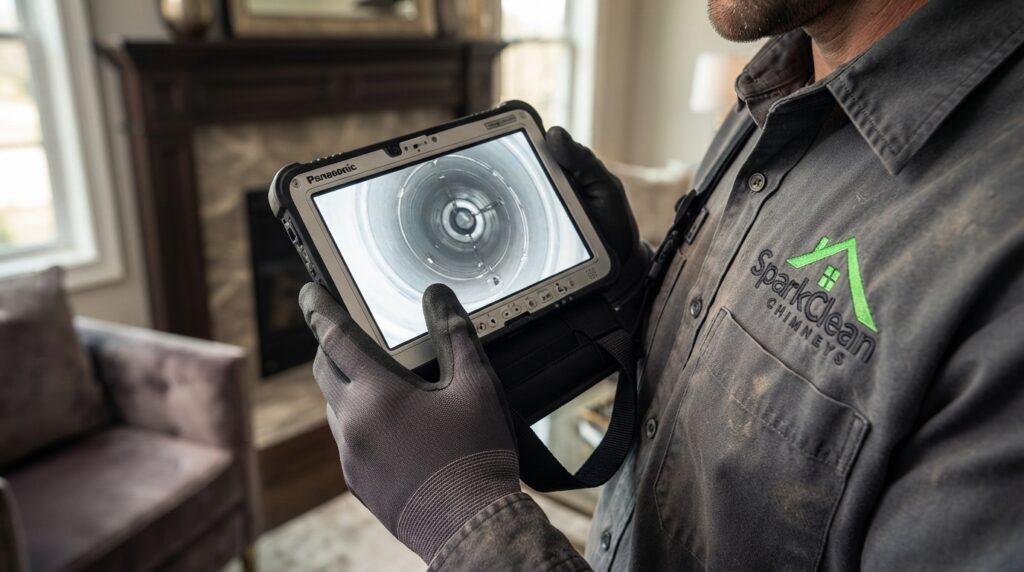
A chimney sweep focuses on physically cleaning soot, ash, and creosote out of the flue path. A chimney inspection is a diagnostic structural check using visual or video camera tools to assess system safety.
Don’t Wait for a Hazard—Schedule Your Deep Cleaning Today!
Ignoring smoky fires or bad odors risks severe home damage and hazardous carbon monoxide exposure. Taking proactive action with a professional chimney cleaning protects your family, restores fireplace efficiency, and keeps your home warm all winter long.
Contact our certified team today to schedule your mess-free evaluation and sweeping!
Spark Clean Chimneys
📍 Address: 333 IL-83, Mundelein, IL 60060, United States
📞 Phone: +1 (847) 380-9496
🌐 Website: https://sparkcleanchimneys.com/
READ MORE:
Can a Dirty Fireplace Make You Sick? How Chimney Cleaning Improves Indoor Air Quality
The Ultimate Guide to Professional Chimney Cleaning: Costs, Benefits & Safety