As spring and summer bring warmer temperatures, local wildlife seeks dark, warm, and elevated shelter to hatch eggs and raise their young. To a bird, raccoon, squirrel, or bat, an uncapped chimney stack looks just like a hollow tree trunk—offering ideal protection from ground predators and wind.
While a nesting family might seem harmless, animal intrusion creates severe structural hazards for your fireplace exhaust system.
Flue blockages restrict ventilation, trap lethal gases, and create extreme fire risks.
Relying on a professional chimney sweep to identify, safely clear, and permanently block wildlife intrusions is essential to maintaining a safe, functional hearth.
Common Animals That Nest Inside Chimneys
Different creatures create distinct maintenance challenges when they enter your chimney flue:
| Creature | Nesting Behavior & Flue Placement | Signs of Presence | Removal & Legal Considerations |
| Chimney Swifts | Small migratory birds that cement stick nests to vertical masonry walls. | High-pitched chirping, chatter, and wing fluttering inside the flue. | Federally Protected: Covered by the Migratory Bird Treaty Act. Cannot be moved while active with eggs/chicks. |
| Squirrels | Pack twigs, dry leaves, insulation, and pinecones tightly into flue spaces. | Scratching noises near the damper; visual debris falling into the firebox. | Must be cleared completely; dense stick blockages require specialized extraction tools. |
| Raccoons | Females enter open chimneys to give birth on the flat smoke shelf behind dampers. | Loud thumping, crying kit sounds, and strong odor near the hearth. | Professional wildlife extraction is necessary before cleaning soot and nesting debris. |
| Bats | Roost in upper flue sections, dropping guano along interior walls. | Squeaking noises at dusk; dark staining around the chimney top. | Requires specialized exclusion doors; guano must be sanitized to prevent histoplasmosis. |
The Hidden Dangers of Wildlife Nesting Blockages
Allowing animal nests to remain inside your venting shaft introduces immediate home safety threats:
[Animal Intrusion] ➔ [Flue Blocked with Twigs/Leaves] ➔ [Restricted Draft] ➔ [CO Backup & Flue Fire Risk]
-
Complete Airflow & Exhaust Blockage: Nests made of twigs, leaves, straw, and mud create a dense plug. Lighting a fire below a blocked flue forces toxic smoke and odorless carbon monoxide directly back into your living space.
-
Extreme Flue Fire Hazards: Twigs, dried leaves, and animal nesting materials ignite rapidly at low temperatures. A single stray spark can ignite the nest, launching a roaring fire inside your chimney shaft.
-
Bacterial Hygiene & Parasite Risks: Wildlife introduces fleas, ticks, mites, and unpleasant odors into your home. If an animal dies inside the flue, decomposition odors can penetrate brickwork and ruin indoor air quality.
How Professional Technicians Clear Nests Safely
Clearing an animal nest requires more than running a brush down the flue. Certified technicians follow a structured approach to resolve the issue safely and legally:
1. Diagnostic Camera Inspection
Technicians lower a high-definition video camera down the flue to locate the exact position of the obstruction, evaluate structural liner condition, and confirm whether active young (like unhatched eggs or baby raccoons) are present.
2. Legal Compliance & Safe Extraction
If protected species—such as Chimney Swifts—are nesting with active eggs or chicks, federal law requires waiting until the young fledging process ends and birds leave naturally. For non-protected species, humane removal practices are used to extract animals safely.
3. Debris & Nest Removal
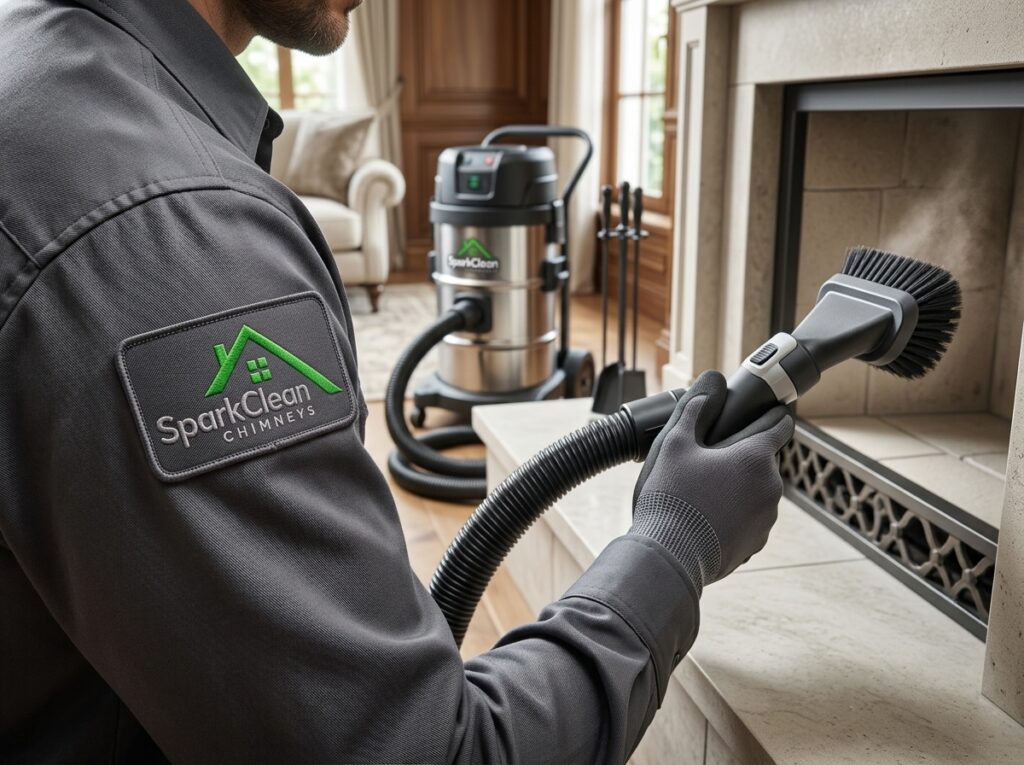
Using specialized mechanical nest pullers, heavy-duty rotary tools, and high-powered HEPA vacuums, the technician strips away packed twigs, organic debris, and droppings, returning the flue lining to its full original diameter.
4. Flue Sanitation & Sanitizing Spray
After extracting all physical debris, technicians spray non-toxic virucidal and bactericidal treatments inside the smoke chamber to neutralize residual animal odors, bacteria, and pest larvae.
Permanent Prevention: Installing a Certified Chimney Cap
Clearing a nest only solves half the problem. Without proper physical barriers, animals will return to the exact same spot next spring.
[Clean Flue Shaft] + [Stainless Steel Mesh Cap Installation] = [Lifetime Wildlife Protection]
Installing a heavy-gauge stainless steel or copper chimney cap with integrated spark arrestor mesh is the single best investment for preventing animal entry. The heavy metal mesh allows heat and smoke to exit freely while physically blocking birds, squirrels, raccoons, and windblown debris from entering your home.
Regional Safety Standards & Municipal Codes
Climate and surrounding foliage heavily influence wildlife nesting habits. Homes situated near forested areas or mature trees face heightened risks of squirrel and bird intrusions during spring breeding months.
Whether your home features a traditional open-masonry hearth, a zero-clearance unit, or a high-efficiency wood stove insert, maintaining an unobstructed, animal-free exhaust path is vital. Partnering with a licensed local contractor ensures your chimney cap installation meets local fire code requirements and withstands regional weather demands.
Frequently Asked Questions About Animal Nest Removal
Can I burn a fire to clear a bird nest out of my chimney?
No! Never attempt to burn a nest out. Dry twigs and leaves ignite violently, creating an intense flue fire that can shatter ceramic tiles, melt metal liners, and set your roof or attic on fire.
How do I know if I have an animal nest in my chimney?
Common signs include hearing chirping, scratching, or rustling noises behind your damper, noticing twigs or dried leaves falling into your firebox, or seeing smoke back up into your home when you light a fire.
Will a standard chimney sweep remove an animal nest?
Yes. Professional technicians carry specialized nest removal tools designed to pull dense twig blockages out of flues cleanly without damaging interior walls.
What is the difference between a sweep and an inspection?
A chimney sweep physically removes soot, creosote, and organic nest blockages. A chimney inspection is a structural diagnostic check using video camera equipment to inspect safety clearances, liner tiles, and code compliance.
Protect Your Home—Clear Wildlife Hazards Today!
Don’t let animal nests compromise your home’s air quality or create dangerous flue fire hazards. Expert chimney sweep care safely removes obstructions, disinfects your venting system, and protects your home with durable chimney caps.
Contact our certified team today to book your video inspection and nest removal service!
Spark Clean Chimneys
📍 Address: 333 IL-83, Mundelein, IL 60060, United States
📞 Phone: +1 (847) 380-9496
🌐 Website: https://sparkcleanchimneys.com/
Hearing noises or suspecting a nest in your flue? Call our local specialists today to safely clear blockages and protect your hearth!
READ MORE:
Wood Stove Insert Chimney Sweep: Unique Maintenance Steps for High-Efficiency Units
What Is Glazed Creosote? How Professional Chimney Sweep Technicians Remove This Fire Hazard