
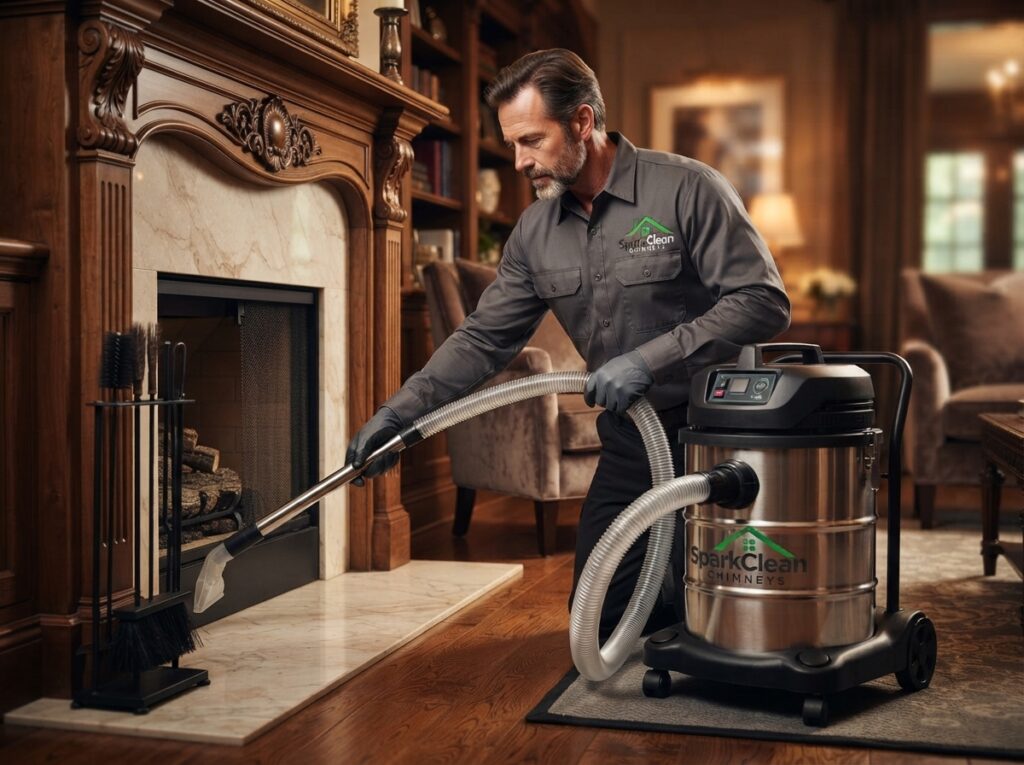
When homeowners think of chimney cleaning, they usually picture traditional wood-burning fireplaces filled with ash, soot, and dangerous creosote buildup. Because gas fireplaces burn cleanly and produce no visible smoke, it is easy to assume they are completely maintenance-free.
However, thinking gas fireplaces don’t require regular cleaning is one of the most common—and potentially dangerous—myths in home maintenance.
While gas units do not produce creosote, they still require routine inspection and professional cleaning. Here is everything you need to know about why gas fireplace maintenance is essential, what hidden risks exist, and how to keep your heating system running safely and efficiently.
The Common Misconception: Clean Fuel vs. Zero Maintenance
Gas fireplaces utilize natural gas or liquid propane, both of which burn significantly cleaner than wood. They don’t generate heavy ash piles, nor do they coat the inside of your flue with thick layers of combustible creosote.
Because there is no mess to scoop out after a cozy evening, many homeowners assume the venting system remains pristine year after year. The reality is that burning gas still produces moisture, chemical byproducts, and minor debris that can compromise your system over time.
Why Gas Fireplaces Still Need Cleaning and Inspection
Even without wood smoke, several internal factors can block vents, damage components, or create safety hazards inside a gas fireplace system:
1. Dust, Pet Hair, and Household Debris Accumulation
Gas fireplaces rely on precise airflow to maintain proper combustion. Over time, household dust, pet dander, cobwebs, and lint are drawn into the burner assembly, pilot light, and main valves. This buildup can clog burner ports, causing uneven flames, soot formation, or difficulty lighting the pilot.
2. Nesting Pest and Outdoor Obstructions
The exterior termination cap or chimney flue is an inviting shelter for birds, insects (such as spiders and yellowjackets), rodents, and leaves. A blocked flue prevents toxic combustion gases from escaping your home safely.
3. Moisture and Corrosive Condensation
Water vapor is a natural byproduct of gas combustion. If your vent or chimney liner isn’t heating up properly, this vapor condenses inside the pipe. Combined with sulfur traces present in fuel, this condensation forms corrosive acids that can eat away at metal venting lines, brick mortar, and flue tiles.
4. White Film and Fogged Glass
As gas burns, chemical residues can form a white, cloudy film on the inside of the glass door. If left uncleaned, this film becomes etched into the glass permanently due to high heat, ruining the visual appeal of your fireplace.
5. Ceramic Log Deterioration
The artificial ceramic logs inside your unit can degrade, shift out of alignment, or chip over time. Misaligned logs alter the flame path, leading to incomplete fuel combustion and unwanted carbon soot deposits inside the box.
The Silent Danger: Carbon Monoxide and Gas Leaks
The primary reason to schedule annual gas fireplace maintenance is safety. Incomplete gas combustion or a blocked exhaust vent can lead to a dangerous buildup of Carbon Monoxide (CO)—an odorless, colorless gas that can be fatal.
During a professional inspection and cleaning, technicians evaluate:
-
Ventilation Flow: Ensuring exhaust gases exit freely without backing up into your living space.
-
Gas Line Integrity: Checking valves, flex lines, and connections for minor gas leaks.
-
Thermopile and Thermocouple Function: Verifying safety shut-off sensors operate correctly.
-
Spill and Draft Tests: Confirming dangerous fumes are actively pulled up and out of the home.
Signs Your Gas Fireplace Needs Immediate Attention
While an annual professional service check is recommended before every heating season, contact a specialist immediately if you observe any of the following warning signs:
-
Soot Buildup: Dark black marks on the glass, ceramic logs, or outer fireplace hearth.
-
Unusual Odors: A persistent smell of gas, oily residues, or a musty odor when the unit is running.
-
Pilot Light Issues: The pilot light frequently goes out, flickers wildly, or refuses to stay lit.
-
Delayed Ignition: A noticeable delay or “pop” sound between turning on the switch and the gas igniting.
-
Cloudy or Discolored Glass: Heavy white or brown residue coating the interior glass surface.
-
Carbon Monoxide Detector Alarms: Any trigger of your home CO alarms requires immediate system shutdown and professional evacuation.
What a Professional Gas Fireplace Service Includes
A certified technician does far more than wipe down the glass. A thorough service visit typically covers:
-
Safety Shut-off Checks: Testing safety pilot assemblies and automatic valve shut-offs.
-
Burner & Pilot Cleaning: Vacuuming dust out of burner ports and removing oxidation from ignition parts.
-
Flue & Vent Inspection: Inspecting the interior chimney pipe or direct-vent wall terminal for blockages or corrosion.
-
Log Placement Adjustment: Cleaning ceramic logs and positioning them precisely according to manufacturer specs.
-
Glass & Firebox Maintenance: Removing heat-etched film with specialized non-abrasive gas glass cleaners and inspecting gaskets.
-
Gas Pressure Calibration: Measuring gas pressure to ensure optimum flame performance without waste.
Protect Your Home and Enjoy Peace of Mind
Do gas fireplaces need chimney cleaning? Yes. While they may not require the heavy soot scraping of wood fireplaces, their complex mechanical parts and exhaust vents demand routine care.
Scheduling an annual cleaning and inspection keeps your home safe from carbon monoxide risks, prevents costly component failures, and ensures your fireplace stays beautiful and warm all winter long.
Spark Clean Chimneys
📍 Address: 333 IL-83, Mundelein, IL 60060, United States
📞 Phone: +1 (847) 380-9496
🌐 Website: https://sparkcleanchimneys.com/
READ MORE:
Is DIY Chimney Cleaning Safe? Why Professional Equipment Outperforms DIY Kits