
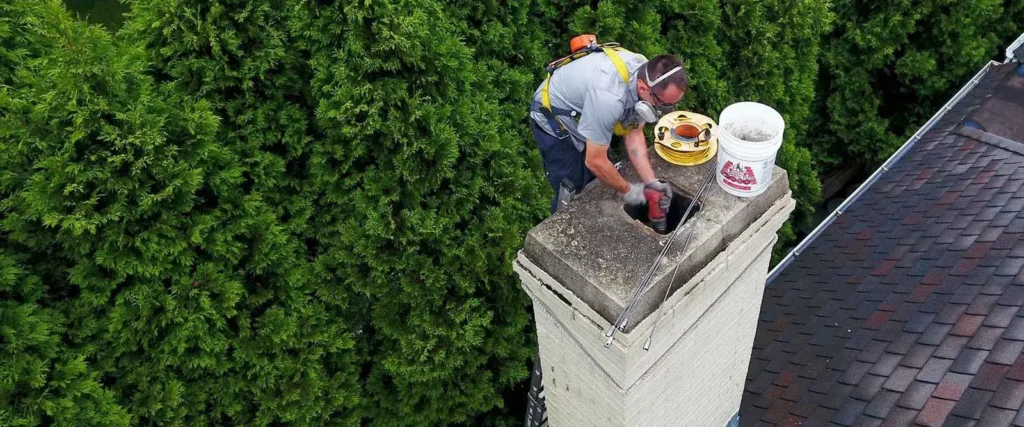
Many modern homeowners choose gas fireplaces or wood pellet stoves as convenient, clean-burning alternatives to traditional wood-burning hearths. Because these heating units do not produce heavy, visible smoke or large logs of ash, a common myth persists that they require little to no ongoing maintenance. However, modern heating systems still generate fine combustion byproducts, moisture condensation, and venting obstructions that require expert care.
The Misconception of Maintenance-Free Gas Fireplaces
Gas hearths are widely appreciated for their instant heat and turn-key operation. While it is true that natural gas and propane do not produce heavy wood creosote, gas combustion is far from residue-free. Gas appliances produce water vapor, carbon dioxide, and small amounts of unburned hydrocarbons during every burn cycle.
Over time, several silent hazards develop inside gas fireplace venting systems:
- Corrosive Acidic Condensation: High-efficiency gas appliances exhaust low-temperature flue gases rich in moisture. When this vapor meets cold chimney liners, it condenses into mild sulfurous acid, which gradually breaks down masonry mortar or creates micro-corrosion in metal pipes.
- Soot and Carbon Film Buildup: Clogged gas burner ports or incorrect fuel-to-air ratios lead to incomplete combustion, covering ceramic logs and inner flue walls with fine black carbon soot.
- External Obstructions and Debris: Because gas flues often remain silent during warm months, birds, spiders, and small animals frequently build nests inside exterior terminations, blocking the exhaust path entirely.
Pellet Stoves and the Hidden Danger of Fly Ash
Pellet stoves utilize automated augers to feed highly compressed sawdust pellets into a small burn pot, creating intense, efficient fires. While pellet fuel burns significantly cleaner than cordwood, it creates a unique byproduct known as fly ash. This lightweight ash is pulled upward by forced-draft exhaust fans and coats internal heat exchangers and venting pipes.
If fly ash is allowed to accumulate over a heating season, serious operational issues arise:
- Flow Restriction in Small-Diameter Pipes: Pellet stove venting pipes are narrow, typically measuring only three or four inches in diameter. A thin layer of fly ash drastically reduces exhaust airflow, causing the stove to shut down automatically or burn inefficiently.
- Formation of Hardened Clinkers: High minerals in lower-grade pellets melt under extreme heat, forming glass-like slag or clinkers inside the burn pot that block fresh air intake holes.
- Creosote from Electrical Interruptions: If a power outage or blower failure occurs while fuel is burning, low airflow causes pellets to smolder, creating unexpected creosote deposits inside the stainless steel vent liner.
Carbon Monoxide and Venting System Hazards
The primary danger associated with uncleaned gas and pellet appliances is exhaust blockage. When fly ash, bird nests, or soot obstruct the venting pipe, toxic combustion gases cannot escape outdoors. Instead, dangerous gases like carbon monoxide spill directly into your living areas.
Carbon monoxide is an odorless, colorless gas that causes headaches, dizziness, nausea, and severe health complications. Annual ventilation maintenance ensures that draft fans, pressure sensors, and exhaust pipes maintain proper negative pressure, venting all harmful gases safely outside your home.
What a Professional Gas and Pellet Cleaning Service Includes
Servicing modern gas and pellet appliances requires specialized tools, technical knowledge, and delicate handling. A certified technician performs a comprehensive series of maintenance steps:
- Burner Assembly and Log Set Detailing: Technicians vacuum carbon soot from gas burners, clean ignition pilot assemblies, and reposition decorative ceramic logs to ensure proper flame distribution.
- Exhaust Fan and Passage Cleaning: For pellet stoves, the combustion blower motor and internal heat exchange tubes are thoroughly scraped and vacuumed to restore thermal transfer efficiency.
- Small-Bore Flue Pipe Sweeping: Specialized flexible rods and soft-bristled poly brushes sweep small-diameter stainless steel pipes, removing fine fly ash without scratching delicate inner seals.
- Venting System Integrity Check: Technicians inspect venting joints for air leaks, verify draft pressure, and perform a diagnostic chimney inspection to confirm the flue terminal is completely clear of debris.
Protecting Your Investment with Preventive Care
Consistent care extends the lifespan of expensive gas valves, circuit boards, and blower motors. Combining seasonal cleaning with prompt chimney repair when components wear out guarantees reliable, safe heat when winter weather arrives.
- Schedule Pre-Season Inspections: Service your heating unit in early autumn before cold temperatures force continuous daily operation.
- Keep Vent Terminals Clear: Regularly inspect exterior wall caps to ensure snow drifts, autumn leaves, or vegetation do not block fresh air intakes or exhaust outlets.
- Install Carbon Monoxide Detectors: Place functional carbon monoxide alarms on every level of your home, especially near sleeping areas and gas hearth installations.
Local Service Area: Lake County, IL
SparkClean Chimneys provides expert chimney cleaning, pellet stove detailing, gas hearth maintenance, and complete venting system repairs across the region:
- Primary Location: 333 IL-83, Mundelein, IL 60060
- Service Communities: Mundelein, Libertyville, Vernon Hills, Hawthorn Woods, Long Grove, Lake Zurich, Buffalo Grove, Lincolnshire, Wauconda, Deerfield, and Round Lake.
Is Your Pellet or Gas Appliance Ready for Winter?
Ensure your heating system runs efficiently, cleanly, and safely. Contact our certified hearth technicians today to schedule a comprehensive maintenance and cleaning service.
📍 Visit Our Location:
Google Maps – SparkClean Chimneys
333 IL-83, Mundelein, IL 60060, United States
📞 Call Our Local Experts Today:
+1 (847) 380-9496
🌐 Schedule Online:
https://sparkcleanchimneys.com/