
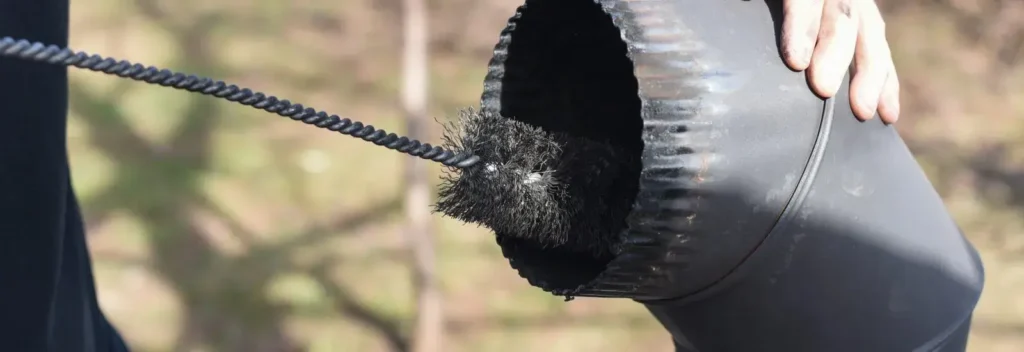
During the cold winter months, your fireplace works continuously to vent smoke and heat out of your home. However, when warm weather arrives and the hearth sits idle, many homeowners experience an unwelcome surprise, a strong, foul odor resembling asphalt, wet soot, or stale campfire smoke wafting into their living spaces. This unpleasant phenomenon is common across North American homes during hot, humid summer seasons.
The Science Behind Summer Chimney Smells
Fireplace odors during warm weather stem from a combination of chemical deposits inside the venting liner and physical changes in air pressure. When wood burns, it deposits tar compounds, ash, and creosote along the inner flue tiles. While these deposits remain dormant in freezing temperatures, rising ambient humidity and heat trigger chemical reactions.
Several environmental factors converge during summer to drive these smells downward into your home:
- High Humidity Absorption: Creosote is highly porous and hygroscopic, meaning it rapidly absorbs moisture from humid summer air. When wet creosote reacts with ambient humidity, it off-gases heavy, acidic tar fumes that smell distinctly like burnt asphalt.
- Negative Air Pressure and Stack Effect: Modern homes are tightly sealed for energy efficiency. When exhaust fans, clothes dryers, or air conditioning systems run, they create negative air pressure inside the house. Air seeks the path of least resistance to balance this vacuum, drawing air down through the open chimney flue.
- Thermal Inversion Downdrafts: On hot summer days, air inside the upper chimney stack warms up and expands while air inside the lower living room remains cool and dense. This temperature differential reverses the natural thermal draft, pushing warm, smelly air downward into the living space.
How Soot and Moisture Compound Interior Flue Damage
Ignoring persistent summer fireplace odors leads to complications beyond bad air quality. When creosote remains damp for extended periods, it forms weak acidic compounds that slowly attack the structural integrity of your heating system:
- Mortar Joint Deterioration: Acidic moisture seeps into the porous mortar joints between clay flue tiles, causing the bonding agent to soften, crack, and erode over time.
- Metal Component Corrosion: Moisture combined with soot accelerates rust formation on iron dampers, steel hearth liners, and flue caps, leading to costly structural repairs.
- Mold and Organic Growth: Dark, damp flue environments with organic ash residue create prime conditions for mold spores to colonize the lower throat area and smoke shelf.
How Professional Chimney Cleaning Resolves Odor Problems
Simply closing the fireplace glass doors or hanging air fresheners near the hearth only masks the underlying issue. A thorough, professional cleaning targets the root cause of the smell through systematic restoration procedures:
- Deep-Pore Soot and Tar Extraction: Certified technicians utilize specialized power-sweeping equipment to strip away porous creosote layers from ceramic tile or stainless steel liner walls, removing the primary source of the smell.
- Smoke Shelf Cleaning: Soot, fallen debris, and stagnant moisture settle in large quantities on the flat horizontal smoke shelf located behind the throat area. Vacuuming this hidden cavity thoroughly prevents localized off-gassing.
- Chemical Neutralization Treatments: For deep-seated odors embedded in porous brickwork, technicians apply non-toxic, industrial-grade odor neutralizing agents designed to break down organic hydrocarbon molecules safely.
- Flue Integrity Evaluation: After clearing all soot, technicians conduct a detailed chimney inspection to verify that no cracked liner tiles or missing mortar joints are allowing damp air to leak into wall cavities.
Preventative Solutions for Long-Term Odor Control
Eliminating summer smells requires combining mechanical cleaning with proactive structural protection. Homeowners can maintain fresh indoor air year round by implementing key system upgrades:
- Upgrade to a Top-Sealing Damper: Traditional throat dampers sit low near the firebox, leaving the entire upper flue exposed to humid outdoor air. Installing a top-mount damper with a rubber gasket seals the very top of the chimney stack, keeping moisture out and preventing air downdrafts entirely. If your current damper is warped or rusted, prompt damper repair or replacement is essential.
- Install a Quality Chimney Cap: A full-coverage stainless steel cap prevents heavy rain from entering the open flue pipe during summer thunderstorms, keeping internal masonry dry.
- Maintain Proper Home Ventilation: Balanced indoor ventilation reduces negative pressure, preventing your hearth from acting as an air intake vent for your air conditioning system.
Local Service Area: Lake County, IL
SparkClean Chimneys provides comprehensive chimney cleaning, odor neutralization, top-damper installations, and complete structural maintenance services across the region:
- Primary Location: 333 IL-83, Mundelein, IL 60060
- Service Communities: Mundelein, Libertyville, Vernon Hills, Hawthorn Woods, Long Grove, Lake Zurich, Buffalo Grove, Lincolnshire, Wauconda, Deerfield, and Round Lake.
Is a Smelly Fireplace Ruining Your Indoor Air Quality?
Don’t let foul creosote odors or summer downdrafts disrupt your home comfort. Contact our certified hearth maintenance team today to schedule a thorough, dust-free cleaning service.
📍 Visit Our Location:
Google Maps – SparkClean Chimneys
333 IL-83, Mundelein, IL 60060, United States
📞 Call Our Local Experts Today:
+1 (847) 380-9496
🌐 Schedule Online:
https://sparkcleanchimneys.com/