
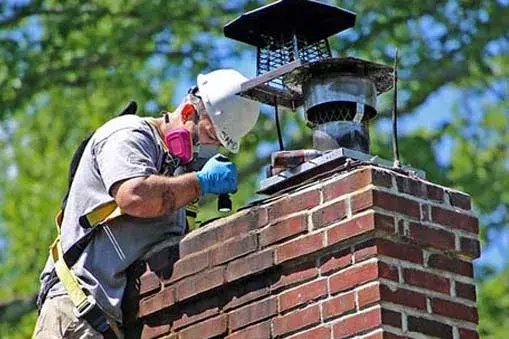
Midwestern winters and severe seasonal storms present extreme environmental stress to residential masonry structures. High-velocity winds, heavy hail, lightning strikes, and relentless freeze-thaw cycles subject exterior brickwork and internal flue liners to severe thermal and physical pressure. While damage to asphalt roof shingles or home siding is usually easy to spot from the ground, structural chimney damage often remains hidden high above the roofline.
How Severe Weather Events Destroy Masonry and Flue Liners
Masonry materials like brick, concrete, and terracotta are porous by nature. When severe weather hits, distinct physical mechanisms rapidly degrade your chimney stack:
- The Freeze-Thaw Destruction Cycle: During winter snowstorms, moisture seeps deep into small pores and micro-cracks in the concrete crown and brickwork. When temperatures drop below freezing, trapped water expands by approximately nine percent, exerting massive internal pressure that shatters bricks and splits mortar joints.
- High Winds and Structural Flexing: Gusting winds exceeding 50 miles per hour exert severe lateral pressure on tall masonry stacks. Over time, this wind stress breaks the bond between brick layers, causing the upper chimney stack to lean or loosen.
- Hail Impact Fractures: Heavy hail strikes crack delicate concrete crowns, shatter clay chimney pot terminations, and dislodge spark arrestor caps, leaving the open vertical shaft vulnerable to torrential rain.
- Lightning Thermal Shock: Direct or nearby lightning strikes flash-boil moisture trapped inside brickwork, causing explosive spalling and fracturing internal ceramic flue tiles into sharp shards.
Hidden Warning Signs of Post-Storm Chimney Damage
After a major storm passes, perform a visual sweep around your property. Look for these subtle indicators that your heating system requires immediate professional evaluation:
- Brick Chips or Concrete Shards in the Yard: Finding fallen pieces of red brick, mortar dust, or concrete chunks around your roofline or driveway indicates upper stack spalling.
- Water Stains on Attic Joists or Ceilings: Damp drywall or dark water ring stains on ceiling boards near the fireplace stack signal compromised flashing seals or a cracked concrete crown.
- Damp Soot or Water Puddles in the Firebox: Finding water pooled at the bottom of your firebox after heavy rain indicates rain cap failure or open flue tile fractures.
- Rusted Iron Damper Plates: Water leaking down an unsealed flue causes iron dampers to rust rapidly, leading to mechanical binding that requires prompt damper repair or full component replacement.
The Three NFPA Levels of Chimney Inspection
The National Fire Protection Association (NFPA) categorizes chimney evaluations into three distinct technical levels based on the circumstances surrounding your hearth:
Level 1 Inspection
A basic visual check recommended during routine annual maintenance when no system changes or storm damage have occurred. The technician checks accessible exterior masonry and damper components.
Level 2 Inspection
The industry standard required after severe weather events, structural changes, fuel conversions, or property transfers. Technicians deploy high-definition 360-degree rotating video cameras down the full vertical length of the flue, inspecting every individual tile joint and internal surface for hidden structural damage.
Level 3 Inspection
A specialized invasive procedure utilized when severe structural damage is suspected in concealed areas. It may involve removing drywall, chimney crowns, or outer brick wythes to inspect structural house framing clearances.
What to Expect During a Professional Storm Damage Inspection
A certified hearth specialist conducts a systematic, technical evaluation to document storm damage and restore total flue safety:
- Roofline and Exterior Masonry Audit: Technicians inspect the concrete crown, flashing seals, tuckpointing mortar, and top spark caps for structural cracks and weather erosion.
- Full-Length HD Video Scanning: Lowering a specialized dual-view camera down the shaft allows technicians to evaluate every ceramic flue tile, identifying concealed thermal shock fractures caused by freezing water or lightning.
- Smoke Chamber and Damper Inspection: Technicians evaluate the throat area and smoke shelf for water accumulation, mortar deterioration, or loose brickwork. If heavy soot is present, a professional chimney cleaning is performed to expose bare masonry surfaces.
- Insurance Documentation Support: You receive a comprehensive written report complete with high-definition photographic evidence and itemized repair estimates to support your homeowner insurance claims.
Local Service Area: Lake County, IL
SparkClean Chimneys provides expert post-storm chimney inspections, diagnostic video evaluations, structural masonry restorations, and complete hearth maintenance services across the region:
- Primary Location: 333 IL-83, Mundelein, IL 60060
- Service Communities: Mundelein, Libertyville, Vernon Hills, Hawthorn Woods, Long Grove, Lake Zurich, Buffalo Grove, Lincolnshire, Wauconda, Deerfield, and Round Lake.
Has Severe Weather Affected Your Chimney Structure?
Don’t let hidden storm damage, water leaks, or fractured flue tiles compromise your home’s safety. Contact our certified local hearth specialists today to schedule a comprehensive diagnostic video inspection.
📍 Visit Our Location:
Google Maps – SparkClean Chimneys
333 IL-83, Mundelein, IL 60060, United States
📞 Call Our Local Experts Today:
+1 (847) 380-9496
🌐 Schedule Online:
https://sparkcleanchimneys.com/