
When homeowners think about indoor air pollution, they often focus on HVAC air filters, pet dander, or outdoor pollen. However, for homes equipped with wood-burning fireplaces or fuel-fired appliances, the chimney flue plays a massive role in maintaining healthy indoor air quality. As wood and fossil fuels burn, they produce fine particulate matter, complex carbon compounds, and toxic gases that must be completely exhausted outdoors.
The Toxic Chemical Makeup of Wood Smoke Residue
Wood smoke residue is not simply harmless black ash, it consists of a complex mix of microscopic particulates, chemical gases, and toxic compounds generated by high-temperature combustion. When a flue stack is dirty or partially blocked, these indoor air contaminants concentrate inside living areas:
- Fine Particulate Matter (PM2.5): Microscopic soot particles smaller than 2.5 microns in diameter can bypass nasal filters, penetrating deep into human lung tissue and entering the bloodstream, which causes inflammation and triggers severe asthma attacks.
- Polycyclic Aromatic Hydrocarbons (PAHs): Heavy organic chemical compounds found in creosote vapors that stick to porous drywall, carpets, and furniture fabrics, giving off lingering burnt odors and posing long-term health risks.
- Carbon Monoxide (CO): An odorless, colorless gas produced by incomplete wood or gas combustion. Blocked flues prevent carbon monoxide from rising, causing dangerous gas accumulation that causes dizziness, headaches, and life-threatening toxicity.
- Volatile Organic Compounds (VOCs): Gaseous chemical emissions like benzene and formaldehyde that irritate eyes, nose, and throat membranes during heating cycles.
How Dirty Flues Cause Negative Pressure Smoke Backdrafts
Modern residential properties are constructed with tight insulation envelopes to conserve heating energy. While this reduces heating loss, it also makes homes highly susceptible to negative air pressure. When kitchen exhaust fans, bathroom vents, or clothes dryers operate, they pull fresh air from any available opening, including the chimney flue.
If your chimney flue contains heavy soot deposits, the internal cross-sectional area is reduced, and draft velocity drops. Negative air pressure easily overcomes weak upward draft, pulling fine soot particles and sour creosote odors downward into bedrooms and family spaces. A thorough professional sweeping clears internal obstructions, restoring the strong thermal draw needed to pull all exhaust gases safely out of your home.
Respiratory Symptoms Caused by Unmaintained Flues
Families living in homes with uncleaned chimneys often experience subtle, chronic health symptoms during winter heating months without realizing their hearth is the primary cause:
- Persistent dry coughing, throat tickles, or sinus congestion when sitting near the fireplace.
- Frequent unexplained headaches or lingering fatigue while heating appliances are running.
- Increased frequency of allergy or asthma flare-ups among young children and elderly family members.
- Stale, smoky odors that cling to living room curtains, upholstery, and clothing long after fires go out.
What a Health-Focused Chimney Sweep Service Involves
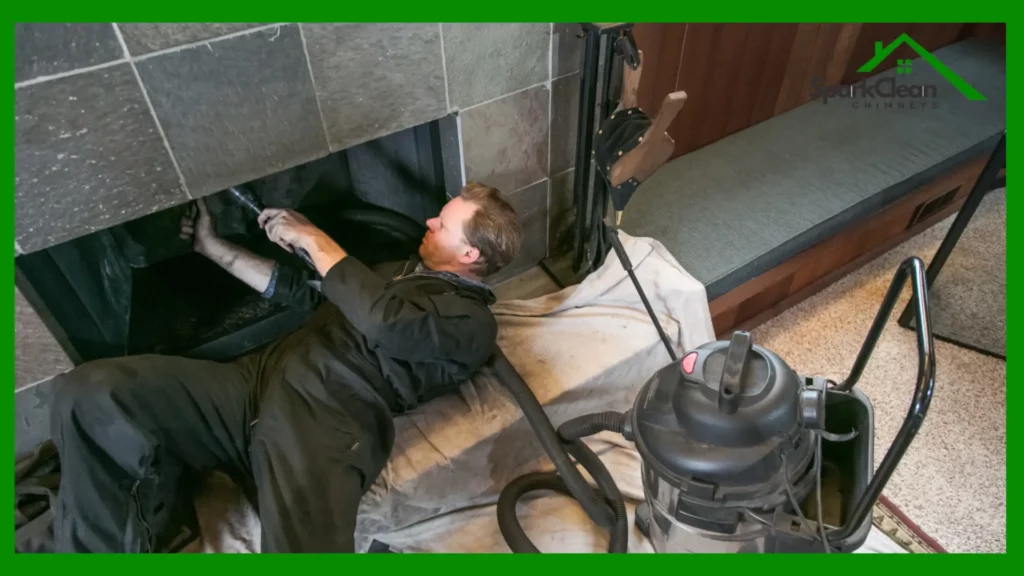
Protecting indoor air quality requires strict dust containment protocols during the sweeping process. Certified professionals utilize industrial equipment designed to keep living areas completely clean:
- HEPA Containment Isolation: Technicians seal the firebox opening using heavy containment sheeting connected to high-volume HEPA filtration vacuums, ensuring 99.97% of fine carbon particles are captured before they enter living areas.
- Rotary Power Sweeping: High-torque flexible whipping tools strip away fine PM2.5 soot deposits and Stage 2 creosote flakes from flue tiles, removing the microscopic sources of air contamination.
- Smoke Shelf and Damper Cavity Extraction: Soot that settles on the flat smoke shelf behind the throat damper is thoroughly vacuumed out, preventing loose dust from blowing into the room when dampers open.
- Diagnostic Flue Integrity Assessment: Following sweeping, technicians perform a detailed chimney inspection using dual-view video cameras to verify that flue liners are crack-free and fully sealed against gas leakage.
Local Service Area: Lake County, IL
SparkClean Chimneys provides specialized chimney sweep services, indoor air quality protection, diagnostic video inspections, and structural masonry repairs across the region:
- Primary Location: 333 IL-83, Mundelein, IL 60060
- Service Communities: Mundelein, Libertyville, Vernon Hills, Hawthorn Woods, Long Grove, Lake Zurich, Buffalo Grove, Lincolnshire, Wauconda, Deerfield, and Round Lake.
Are Smoky Odors or Fine Soot Compromising Your Indoor Air Quality?
Protect your family’s respiratory health and enjoy clean, fresh indoor air this winter. Contact our certified local hearth specialists today to schedule a dust-free, professional sweeping service.
📍 Visit Our Location:
Google Maps – SparkClean Chimneys
333 IL-83, Mundelein, IL 60060, United States
📞 Call Our Local Experts Today:
+1 (847) 380-9496
🌐 Schedule Online:
https://sparkcleanchimneys.com/