
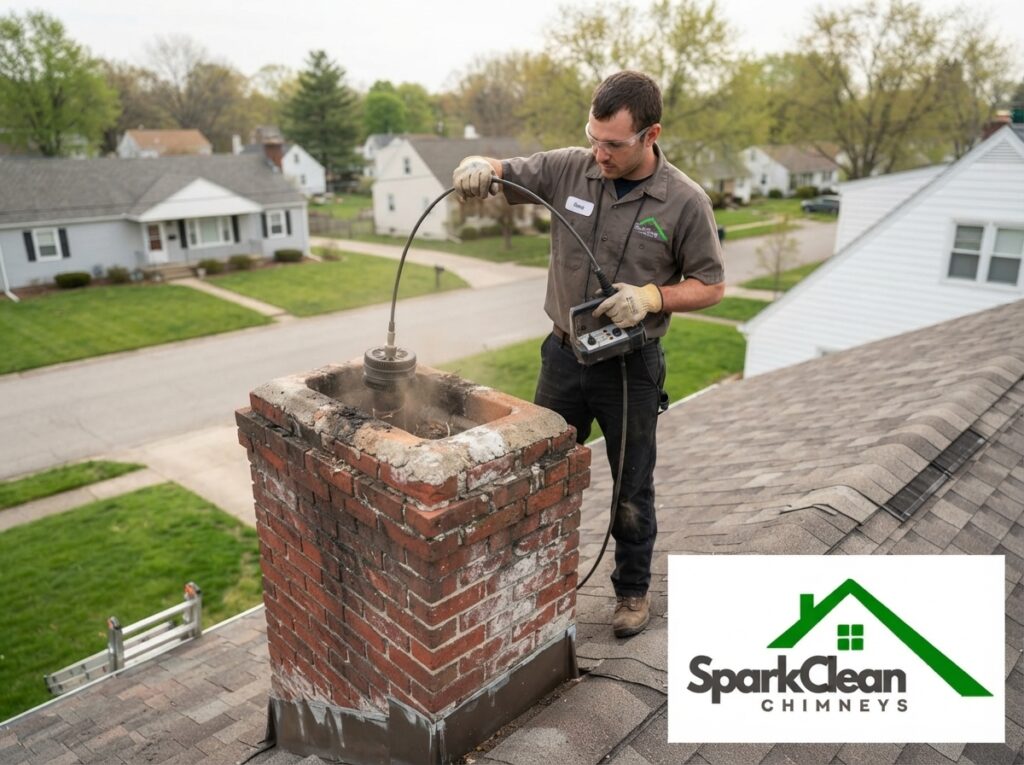
As spring and summer bring warm weather to northern Illinois, local wildlife actively searches for safe, elevated shelter to raise their young. To migratory birds, raccoons, squirrels, and bats, an uncapped chimney stack closely resembles a hollow tree trunk, offering an ideal refuge protected from ground predators and wind.
While hosting a wildlife family inside your chimney stack might seem harmless at first, animal intrusion creates severe structural hazards for your fireplace exhaust system.
Flue blockages severely restrict ventilation, trap lethal gases inside your living space, and create extreme fire risks when the heating season begins. Relying on a professional chimney sweep to identify, safely clear, and permanently resolve wildlife blockages is essential to maintaining a safe, functional hearth.
The Most Common Wildlife Intruders in Lake County Chimneys
Different animal species exhibit distinct nesting behaviors, creating unique maintenance challenges when they enter your chimney flue:
-
Chimney Swifts: These small, federally protected migratory birds construct small stick nests cemented to vertical masonry walls using saliva. Once established, they return to the exact same flue year after year. Federal law protects active nests containing eggs or fledglings, requiring homeowners to wait until the young leave naturally before removal can take place.
-
Squirrels: Female squirrels pack twigs, dry leaves, oak leaves, pinecones, and shredded home insulation tightly into narrow flue spaces. These dense twig plugs can extend several feet down the chimney shaft, completely sealing off ventilation.
-
Raccoons: Female raccoons frequently climb open chimney stacks to give birth on the flat, sheltered smoke shelf directly behind the fireplace damper. Raccoons carry significant structural and biological contamination risks that require immediate professional intervention.
-
Bats and Birds: Small birds and bats often fall down open flues accidentally or roost near upper liner transitions, leaving behind nesting materials and droppings that block draft velocity.
The Dangerous Consequences of a Blocked Flue Path
Allowing organic animal nests, dead animals, or windblown yard debris to remain inside your venting stack introduces immediate structural threats to your living environment:
-
Carbon Monoxide and Smoke Backup: A nest creates a physical plug inside your chimney shaft. Lighting a fire beneath a blocked flue forces toxic smoke, fine soot particulates, and odorless carbon monoxide directly back into your living room instead of venting safely outdoors.
-
Extreme Internal Flue Fires: Dried twigs, leaves, straw, and animal fur ignite rapidly at relatively low temperatures. A single stray spark traveling up the stack can ignite a dense nest, launching a roaring chimney fire that reaches temperatures over 2,000 degrees Fahrenheit within seconds.
-
Bacterial Infections and Odor Issues: Animal intrusions introduce fleas, ticks, mites, and severe biological contamination into your home. If an animal becomes trapped and dies inside the flue, decomposition odors can penetrate porous masonry walls and ruin indoor air quality for months.
Professional Procedures for Clearing Animal Obstructions
Clearing an animal blockage involves specialized technical procedures that go far beyond standard soot brushes:
-
High-Definition Video Camera Evaluation: Technicians lower a specialized dual-view camera down the flue to pinpoint the exact location and density of the blockage, verify whether active young are present, and evaluate underlying liner tiles.
-
Humane and Legal Removal Protocols: Technicians follow strict federal and state guidelines when dealing with protected species like Chimney Swifts, ensuring animals are handled humanely or cleared once fledglings naturally vacate the flue.
-
Mechanical Debris Extraction: Using heavy-duty mechanical nest pullers, flexible rotary whip heads, and high-powered industrial HEPA vacuums, technicians strip away packed twigs, organic debris, and droppings, returning the flue shaft to its original diameter.
-
Flue Sanitization and Odor Neutralization: Following physical removal, non-toxic virucidal and bactericidal treatments are applied inside the smoke chamber to eliminate bacteria, parasite larvae, and lingering animal odors.
Preventing Future Intrusions: Stainless Steel Chimney Caps
Clearing a nest only solves half the problem. Without a physical barrier installed over the top of the stack, animals will return to the exact same warm spot next season.
Installing a heavy-gauge stainless steel or copper chimney cap equipped with integrated spark arrestor mesh is the single best investment for long-term hearth protection. The durable metal mesh allows heat and smoke to vent freely while physically blocking birds, raccoons, squirrels, and windblown debris from entering your flue stack.
Local Service Area: Lake County, IL
SparkClean Chimneys provides comprehensive certified chimney sweep services, emergency blockage removals, diagnostic video inspections, and custom chimney cap installations for residential properties across the region:
-
Primary Location: 333 IL-83, Mundelein, IL 60060
-
Service Communities: Mundelein, Libertyville, Vernon Hills, Hawthorn Woods, Long Grove, Lake Zurich, Buffalo Grove, Lincolnshire, Wauconda, Deerfield, and Round Lake.
Hear Noises or Suspect a Blockage in Your Chimney?
Don’t risk dangerous smoke backdrafts or internal flue fires caused by hidden animal nests. Protect your family’s air quality and home safety with professional removal and cap installation services from your local experts.
📍 Visit Our Location:
Google Maps – SparkClean Chimneys
333 IL-83, Mundelein, IL 60060, United States
📞 Call Our Local Experts Today:
+1 (847) 380-9496
🌐 Schedule Online: